

 English

-
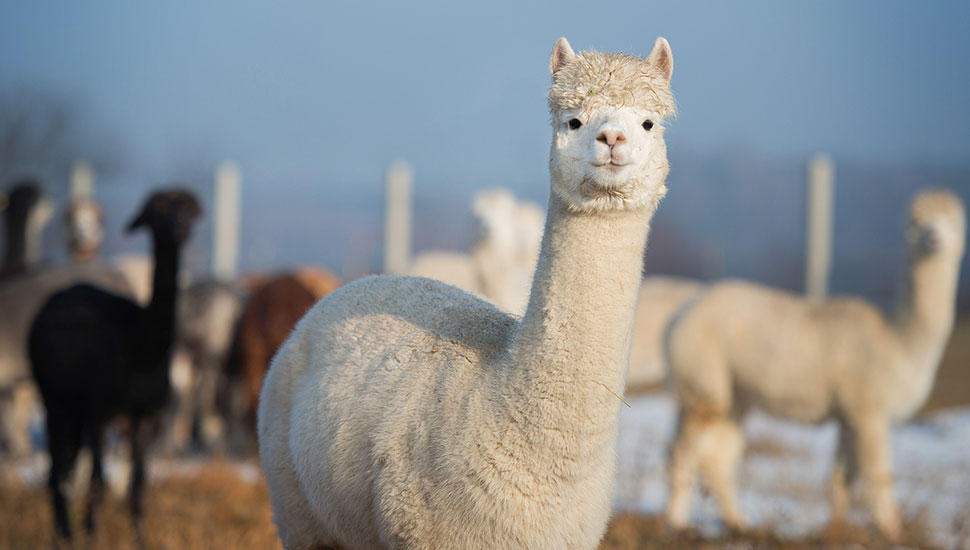 Alpaca woolAlpaca wool
Alpaca wool is a high-end natural textile material, with core advantages focused on warmth retention, skin friendliness, durability, and ecological friendliness.
-
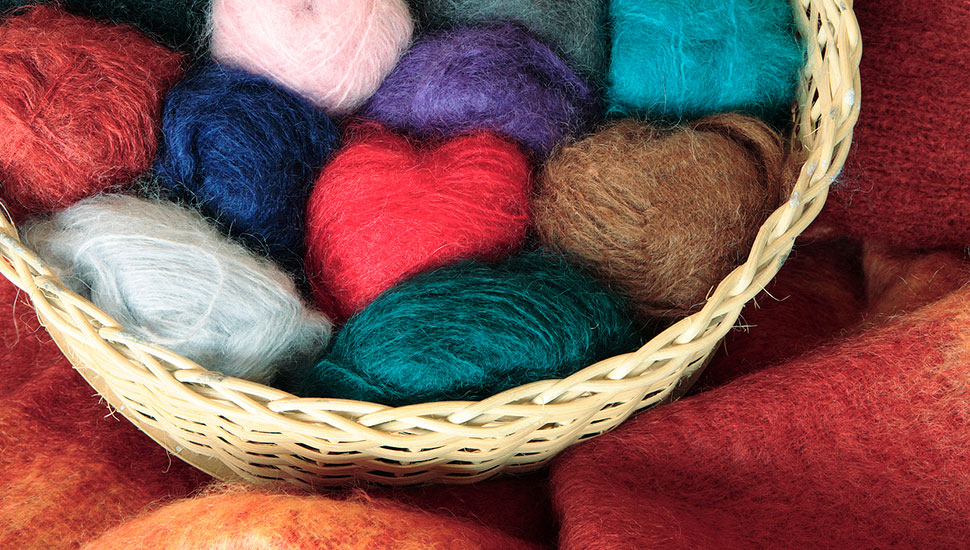 MohairMohair
Mohair is a high-quality natural animal fiber, with core advantages focused on outstanding luster, fluffiness and lightness, wear resistance and wrinkle resistance, easy maintenance, and a certain degree of warmth. The fabric made from it has a light luxury three-dimensional texture
-
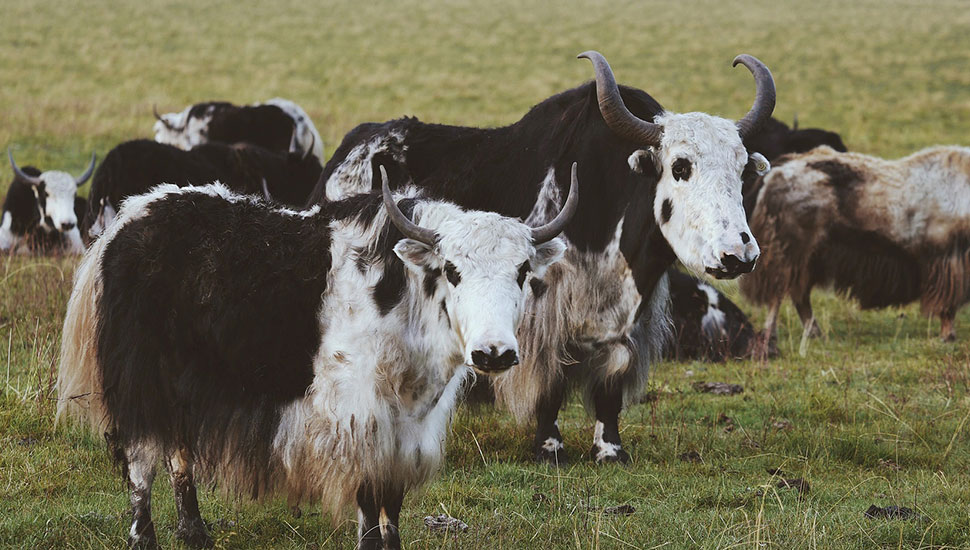 Yak downYak down
Yak wool fabric is a high-end natural protein fiber fabric, with core advantages focused on balancing lightness and warmth, skin friendly and breathable, wear-resistant and wrinkle resistant, and natural rarity.
-
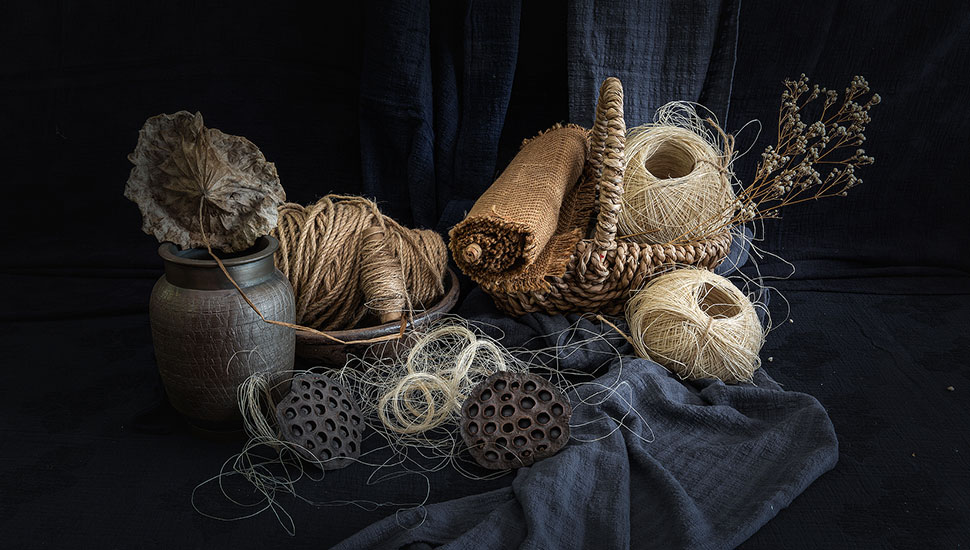 LinenLinen
Linen fabric, with its unique structure and properties of natural fibers, has significant advantages in terms of breathability, heat dissipation, moisture absorption, antibacterial properties, durability, and environmental protection. It is the preferred material for summer clothing, home textiles, and other products.
-
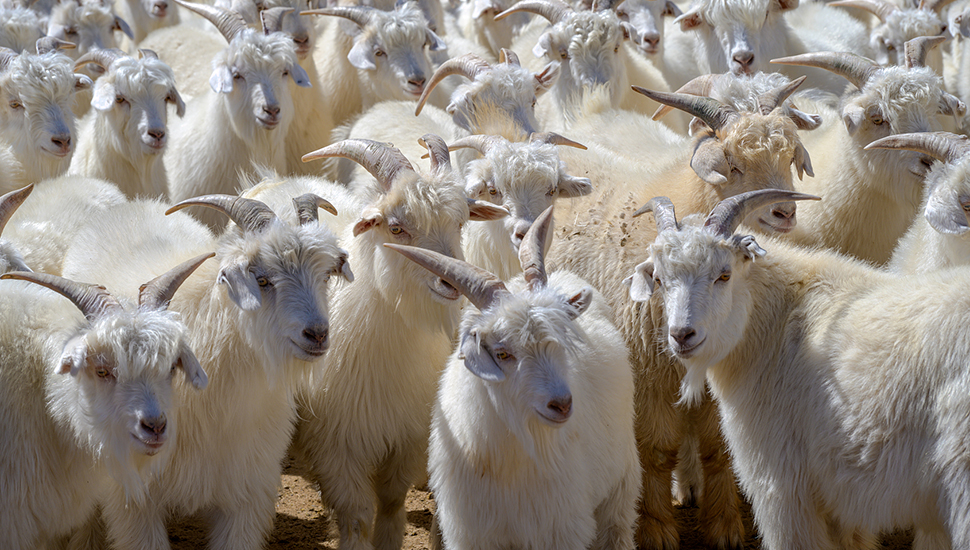 Inner Mongolia cashmereInner Mongolia cashmere
The advantage of Inner Mongolia cashmere over ordinary cashmere lies in its excellent quality and characteristics. The unique climate conditions and geographical environment in Inner Mongolia provide ideal natural conditions for the growth of cashmere, making the cashmere fibers here more slender, soft, with better warmth and luster. In addition, the production of cashmere in Inner Mongolia is relatively low, making it a rare and precious natural fiber, thus enjoying a higher reputation and value in the market. These characteristics of Inner Mongolia cashmere make it superior to ordinary cashmere in terms of comfort, durability, and aesthetics, making it the preferred material for high-end cashmere products.
-
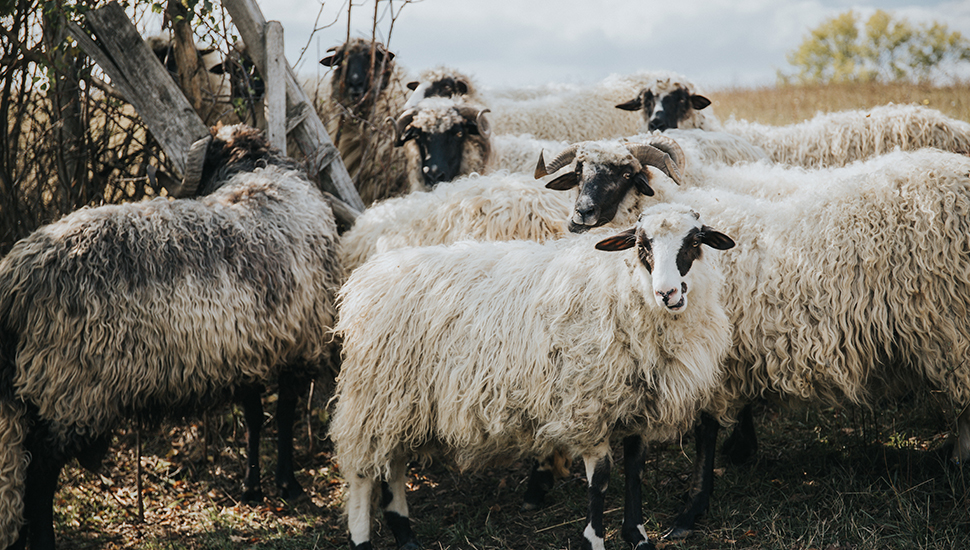 Australian Merino woolAustralian Merino wool
The advantages of Australian Merino wool over regular wool mainly lie in its fiber fineness, softness, and elasticity. The fibers of Merino wool are finer, which makes it softer and more comfortable to the touch, while also having better insulation performance. In addition, the fibers of Merino wool have a natural curly structure, which gives it excellent elasticity, allowing clothes to better maintain their shape and reduce wrinkles after wearing and washing. These characteristics of Merino wool make it superior to ordinary wool in terms of quality and durability, making it an ideal choice for making high-end wool products.
-
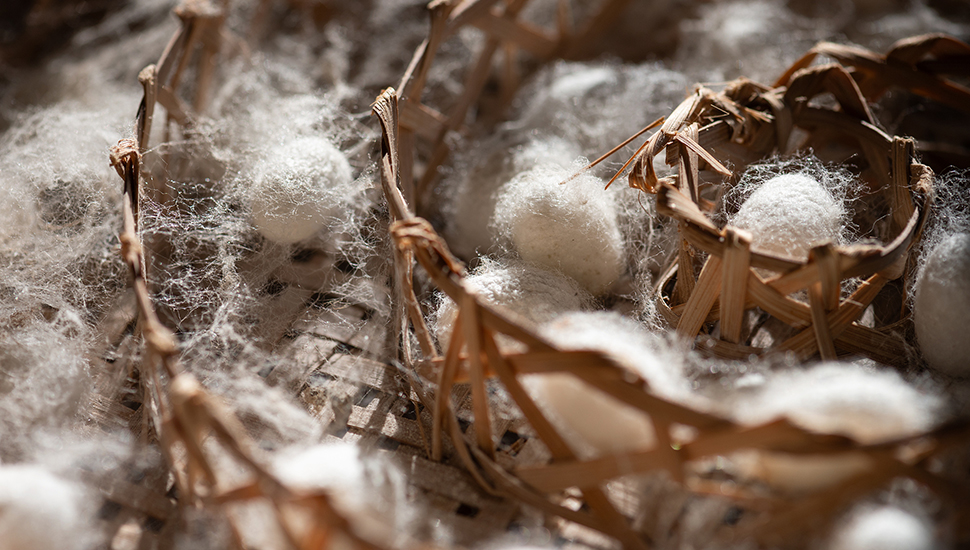 Jiangnan silkJiangnan silk
Jiangnan silk, also known as silk, has the advantage of its unique texture and luster. The Jiangnan region is famous for its humid climate and long-standing silk culture, producing silk that is smooth, soft, and has a bright luster. Silk fiber is slender and has high strength, with good moisture absorption and breathability, making it comfortable to wear and suitable for making high-end clothing and decorations. In addition, silk has excellent dyeing performance, which can display rich colors and delicate patterns, making it highly favored in the fields of art and fashion. These characteristics of Jiangnan silk make it a traditional material representing Eastern aesthetics and exquisite craftsmanship, renowned worldwide.
-
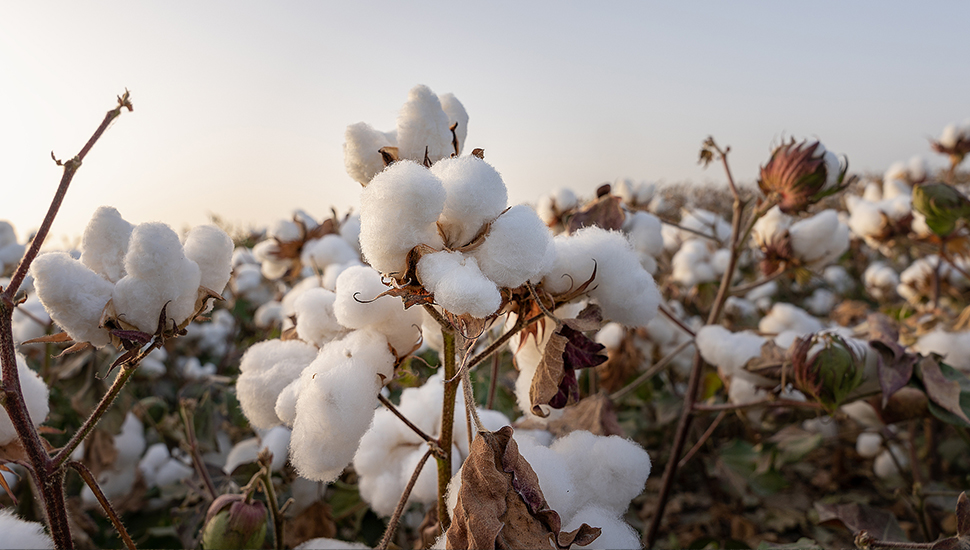 Xinjiang long-staple cottonXinjiang long-staple cotton
The advantage of Xinjiang long staple cotton lies in its fiber length and quality. The unique climate conditions in Xinjiang, especially abundant sunshine and suitable temperature differences, make long staple cotton fibers more slender, soft, and strong. This long fiber cotton not only feels more delicate and comfortable to the touch, but also forms smoother and more durable yarns during spinning and weaving, thus producing high-quality textiles. Xinjiang long staple cotton, due to its excellent quality, is widely used in the manufacturing of high-end bedding, clothing, and other cotton fabrics, and enjoys the reputation of "the finest cotton".
- Address: Zhejiang Yilei Woolen Textile Co., Ltd., No. 28 Ganshan Industrial Zone, Deqing County, Huzhou City, Zhejiang Province
- TEL: +86-572-849 8888
- Whatsapp:



Copyright © 2025 Zhejiang YILEI Woollen Spinning & Weaving Co., Ltd.
All Rights Reserved.

