

 English
 中文简体
AMBER
HIGH COUNT 100% CASHMERE YARN
Nm 3/100
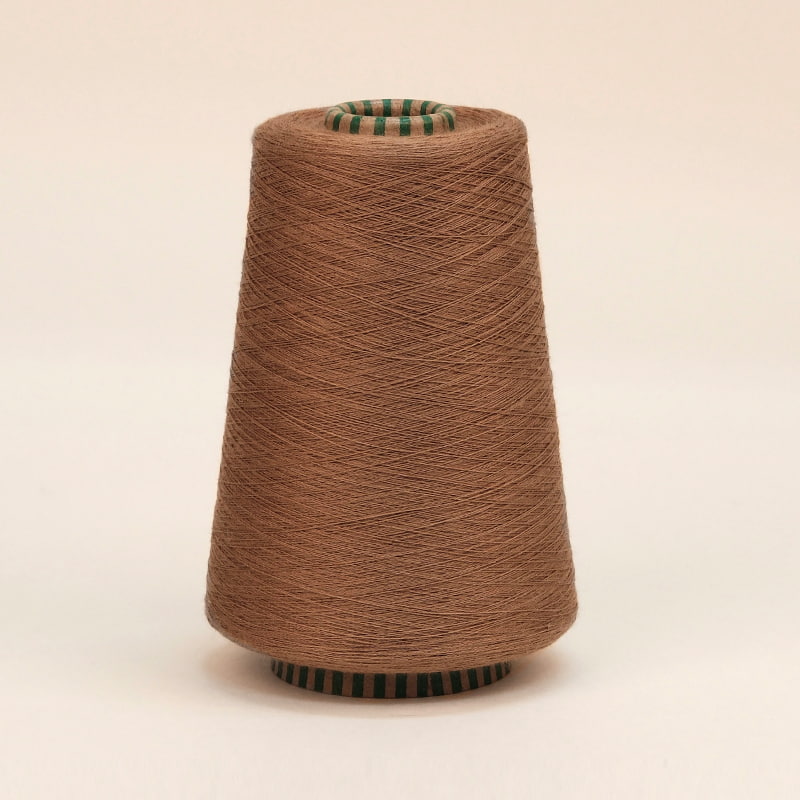
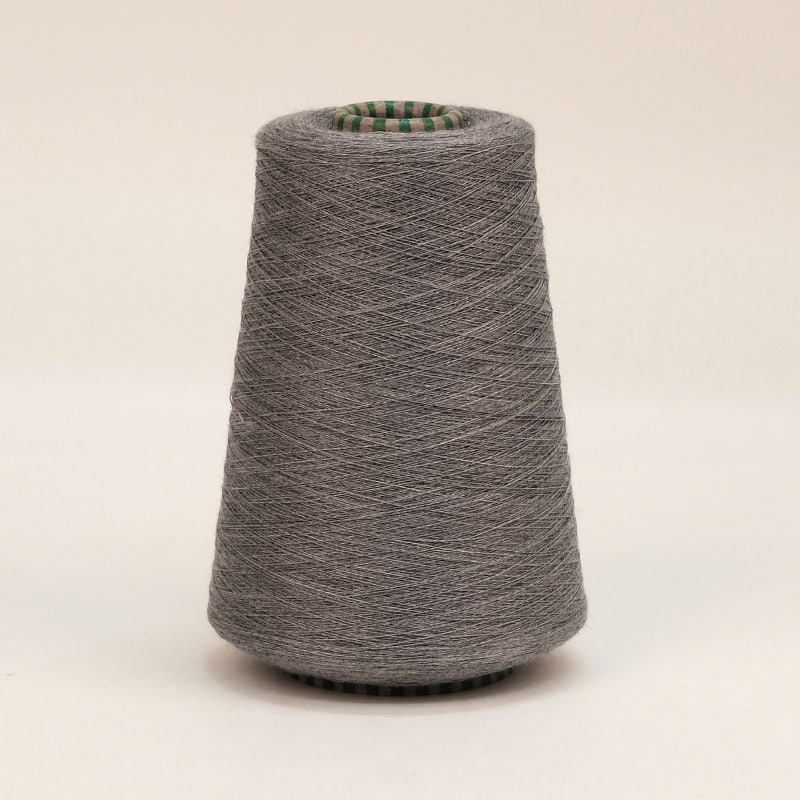
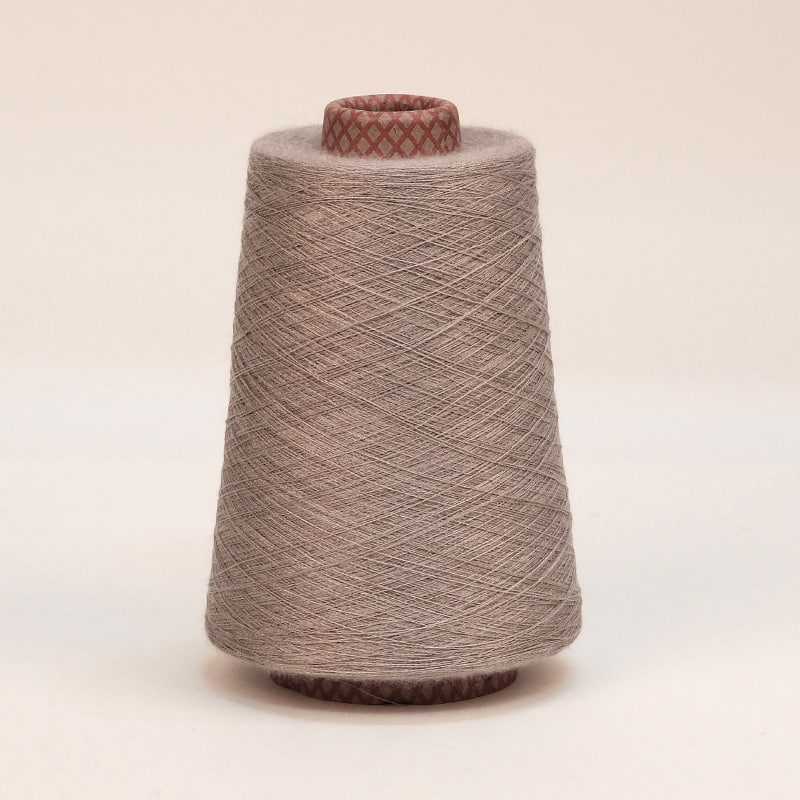
The classic YILEI series PURE CASHMERE is all about the worsted cashmere yarn. We offer colour cards along with stock service for our popular assortment of worsted cashmere, which includes Nm2/48,Nm2/60,Nm3/68,Nm2/80,Nm3/80 The item of worsted cashmere yarn that is undyed and displays a more natural characteristic of the fibre is called ORIGINAL. High count cashmere yarn AMBER is designed for fine gauge knitting. The close-fitting materials and fully fashioned clothing pair well with its delicate and light touch.
Industry experience
Years of focus on fine spinning
Total output

Core Competencies

Provide yarn spinning services, customize production according to different proportions and parameters according to customer requirements, and cooperate with self built dyeing factories to quickly dye according to color requirements.

The company has been specializing in the production and development of precision spun products for 8 years, with mature technology and accumulated rich experience. Custom Pure Cashmere Yarn.

We have introduced imported spinning equipment from Germany and Italy, combined with our own dyeing factory, using Datacolor color matching system and German Huntsman Lanasol high-performance environmentally friendly materials to achieve one-stop control from yarn to finished product.

The production of fine spun cashmere ranks among the top three in the industry. Professional Pure Cashmere Yarn Manufacturers in China.

Color card spot inventory with a minimum adjustment of 1KG, flexible yarn adjustment, rich colors, and stable quality.

We provide 4 types of different specifications of spot color cards and sample yarn services. Spot products can be delivered to your doorstep on the same day or through logistics. During the off-season, customized products are generally delivered within 35 days.


A cashmere yarn’s carbon footprint is often reduced to a single figure, but that number depends heavily on where the boundary is drawn. A kilogram of greasy ca...
A cashmere yarn can feel beautifully soft in the showroom and still disappoint in a finished garment if fiber length and diameter have not been balanced. In ou...
Merino has two reputations that travel together: one for softness, and one for coming out of the washing machine looking as though it was made for a much small...
Most sourcing conversations open with a number. Ours usually open about twenty minutes later. Over the years we have sat on both sides of the table, and the pa...
Zhejiang YILEI Woollen Spinning & Weaving Co., Ltd. spins 100% cashmere yarn at its mill in Deqing County, Zhejiang Province, at the foot of Mogan Mountain. Established in 2000, the company has built its production around worsted — fine spun — spinning, and pure cashmere remains the reference line against which our wool, blend and ultra-light yarns are developed. The range runs from Nm 2/48 to Nm 3/100 in three families: dyed classical colours, undyed natural shades and high-count yarn for fine-gauge knitting.
As a Pure Cashmere Yarn manufacturer, we supply both stock colour-card yarns and custom-spun lots, with in-house dyeing, sample yarn and technical follow-through from sampling to bulk delivery.
| Product family | Reference | Yarn counts (Nm) | Character | Typical end use |
|---|---|---|---|---|
| Classical Product (JADE) | JADE | 2/48, 2/60, 3/68, 2/80, 3/80 | Stock-dyed colour card range, soft hand, balanced twist | Sweaters, cardigans, ribs and accessories on flat and circular machines |
| Undyed Cashmere Yarn (ORIGINAL) | ORIGINAL | 2/48, 3/68 | Non-dyed grey and brown, natural fibre character | Natural-colour knitwear, woven cloth, yarns dyed later by the customer |
| High Count Cashmere Yarn (AMBER) | AMBER | 3/100 | Fine, light, delicate touch | Fine-gauge close-fitting fully fashioned knitwear and light accessories |
Each family is spun on the same worsted system, so the difference lies in fibre lot, count and colour route rather than in spinning philosophy. Classical and High Count yarns are dyed in our own dyehouse; ORIGINAL keeps the natural grey-brown tone of the cashmere fibre and is supplied without dye.
Cashmere yarn is quoted in Nm, the metric count: the number of 1,000 m lengths in one kilogram of single yarn. A 2/48 designation means two plies twisted from a 48 Nm single, and 3/100 means three plies of a 100 Nm single. Higher Nm gives a finer, lighter yarn; additional plies add roundness and stitch definition.
| Yarn count | Construction | Reference gauge | Fabric character |
|---|---|---|---|
| Nm 2/48 | 2-ply | 9–12 gg | Standard sweater weight, good bulk and recovery |
| Nm 2/60 | 2-ply | 12–14 gg | Lighter sweater body, clean ribs and plain surfaces |
| Nm 3/68 | 3-ply | 12 gg | Rounder hand, suited to cables and structure stitches |
| Nm 2/80 | 2-ply | 14–16 gg | Lightweight knitwear with a dry, soft surface |
| Nm 3/80 | 3-ply | 14 gg | Structure stitches at fine gauge, stable loops |
| Nm 3/100 | 3-ply | 16–18 gg | Sheer, close-fitting fully fashioned panels |
Gauge figures are a working reference only. Loop length, stitch structure, machine needle type and the intended finish move the usable count up or down, so we confirm the count against the actual machine and target fabric weight before spinning.
Worsted spinning demands cashmere fibre with enough length and uniformity to survive combing and drawing without excessive short-fibre loss. Fibre fineness drives the hand and the lightness of the finished fabric; fibre length and cleanliness drive spinning efficiency and yarn evenness. Our production and quality teams screen incoming natural fibre before it enters the line, and process parameters are monitored stage by stage.
Our mill runs 15,000 worsted spindles and 5,000 semi-worsted spindles in a constant-temperature, constant-humidity workshop, which limits fibre damage during spinning and keeps count and twist consistent across a lot. The equipment line includes Italian Sant'Andrea pre-spinning, German and Italian fine spinning frames, German Schlafhorst Autoconer X6 winding and Swiss SSM drawing machinery.
Dyeing has been handled in-house since 2021, using a Datacolor colour measurement and matching system with Huntsman Lanasol high-performance dyes. Small-vat dyeing supports short colour runs and rapid matching, and the same dyehouse serves both stock shade development and customer-specific colours.
Management and product certification: ISO 9001, ISO 14001, OHSAS 18001, OEKO-TEX STANDARD 100, Responsible Wool Standard (RWS) and Woolmark Pure New Wool. Several worsted cashmere and worsted wool apparel yarns are recognised as National Green Design Products.
Our yarns are used across flat knitting, circular knitting and woven fabrics. Flat knitting covers fully fashioned panels, trims and collars where count consistency between cones matters for panel matching; circular knitting suits plain jersey, ribs and lightweight bodies; woven use takes the same yarns into soft, low-twist cloth for scarves and accessories.
We spin to order across count, ply, twist level, colour and blend ratio. Colour can be matched to a Pantone TCX reference, a physical swatch or a code from our WOOL COLLECTION, JADE, ZEN and GEM shade cards, and small-vat dyeing keeps short runs practical. Stock colour-card yarns can be adjusted from a 1 kg minimum, which supports sample development and test pieces before a bulk commitment.
Custom lots are quoted against the confirmed count, colour, quantity and delivery window; in the off-season, custom production is generally completed within about 35 days of confirmation. Stock shade items move on a same-day dispatch basis.
| Project input | What we use it for |
|---|---|
| Yarn count and ply | Sets the spinning plan, singles count and twist level |
| Fibre composition and any blend ratio | Defines fibre lot selection and blending sequence |
| Colour reference or shade card code | Drives lab matching, dye recipe and small-vat trial |
| Machine gauge, needle and loop length | Confirms the count is knittable at the intended stitch density |
| Target fabric weight and finish | Aligns yarn count with the finished hand and cover factor |
| Quantity per colour and total order | Determines dye lot planning and production scheduling |
| Sample and test-piece requirements | Sets the sample yarn and swatch sequence before bulk |
| Certification and documentation needs | Links the order to the relevant test reports and declarations |
| Delivery destination and schedule | Shapes packing, labelling and dispatch planning |
Development usually starts with sample yarn from the stock colour cards, followed by a knitted test piece or swatch for hand, colour and stitch assessment. Once the count, colour and test result are approved, we lock the specification and spin the bulk lot against it. Cone weight, packing and labelling are agreed with the order specification, and our after-sales support extends to yarn washing, ironing and post-treatment guidance when a customer is setting finishing conditions.
YILEI drafted the Zhejiang Manufacturing group standard for high-count worsted cashmere-silk blended yarn and took part in drafting 18 national, industry and group standards, including ultra-high-count worsted cashmere yarn. That standard work sits behind the way we specify count, evenness and colour for each order.
We spin Nm 2/48, 2/60, 3/68, 2/80 and 3/80 in the JADE classical range, Nm 2/48 and 3/68 undyed as ORIGINAL, and Nm 3/100 as AMBER high count. Other counts are quoted as custom spinning against the machine gauge and target fabric weight.
Classical is dyed in our own dyehouse to a colour card or matched shade and covers the widest count range. Undyed ORIGINAL keeps the natural grey-brown fibre colour with no dye applied. High Count AMBER is a finer 3/100 yarn built for fine-gauge, close-fitting fully fashioned knitwear.
Yes. Colour is matched from a Pantone TCX reference, a physical swatch or a shade card code using our Datacolor matching system and Huntsman Lanasol dyes. Small-vat dyeing allows short colour runs, and a lab dip or sample yarn is approved before bulk dyeing.
Stock colour-card yarns can be adjusted from a 1 kg minimum, which suits sample development and test pieces. Bulk quantities are quoted per colour and per count once the specification is confirmed.
We provide a full sample yarn service across four shade card sets — WOOL COLLECTION, JADE, ZEN and GEM — so a knitter can adjust the yarn and produce test pieces before committing to production.
Send the machine gauge, needle type, loop length, target fabric weight and finish along with the colour reference. We confirm whether Nm 2/80, 3/80 or 3/100 suits the structure, then spin a sample lot for knitting trials.



Copyright © 2025 Zhejiang YILEI Woollen Spinning & Weaving Co., Ltd.
All Rights Reserved.
Pure Cashmere Yarn Manufacturers

