

 English
 中文简体
中文简体

-
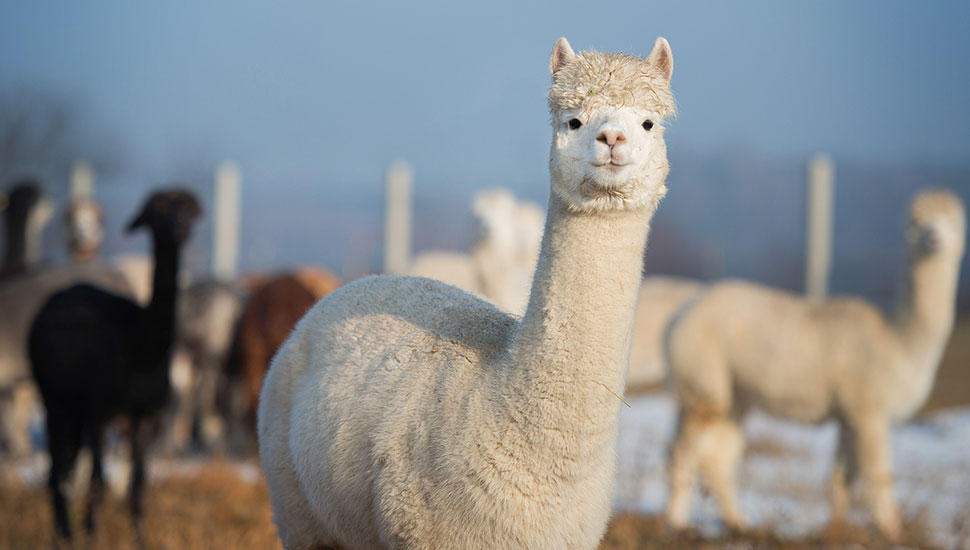 Alpaca woolAlpaca wool
Alpaca fiber originates from the high-altitude Andean plateaus in South America, situated at elevations exceeding 4,000 meters. Revered by the Inca Empire as the “fiber of the gods”, it was later exclusively reserved for Spanish colonial royalty.
The top-tier Royal Baby Alpaca wool is exclusively harvested from the first shearing of young alpacas under 12 months of age. Its global annual output accounts for less than 5% of all premium alpaca fibers. Comparable to cashmere in rarity, it remains as an eternal natural treasure and a timeless symbol of noble heritage.
-
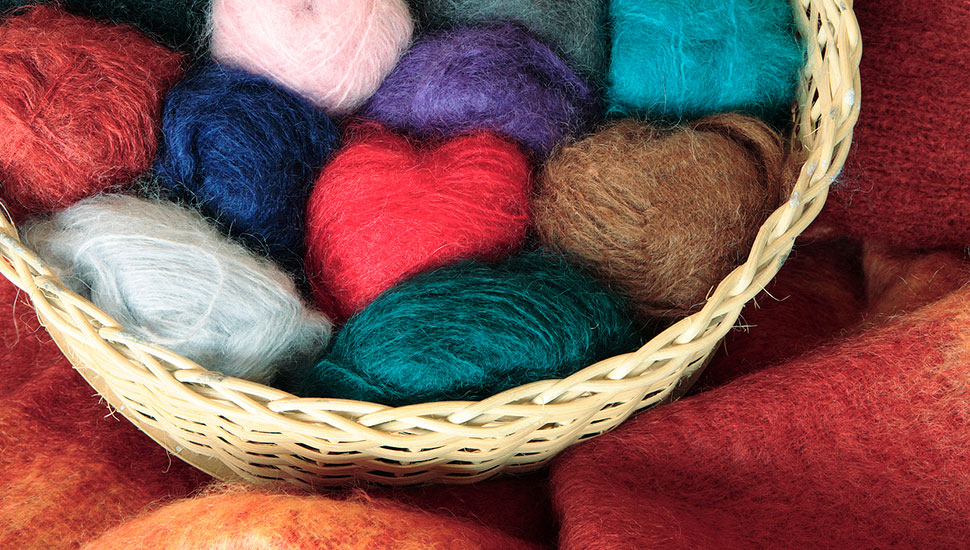 MohairMohair
Mohair, also known as Angora goat wool, derives its name from a Turkish term meaning "the finest wool." Its fibers feature flat, broad scales that lie tightly against the surface, giving the fabric exceptional luster and a silky, smooth hand feel.With minimal crimp and natural anti-felting properties, mohair offers outstanding tensile strength, superior resilience, and excellent abrasion resistance. It is an exquisite premium raw material for jacquard blankets, plush fabrics, and high-luster wool textiles.
Angora goats thrive in hilly shrubland habitats. Only the fleece harvested from goats under eight years old is suitable for textile use. Endowed with a rare and noble texture, mohair is a premium high-end textile fiber, with a global annual output of greasy wool only about 26,000 tons.
-
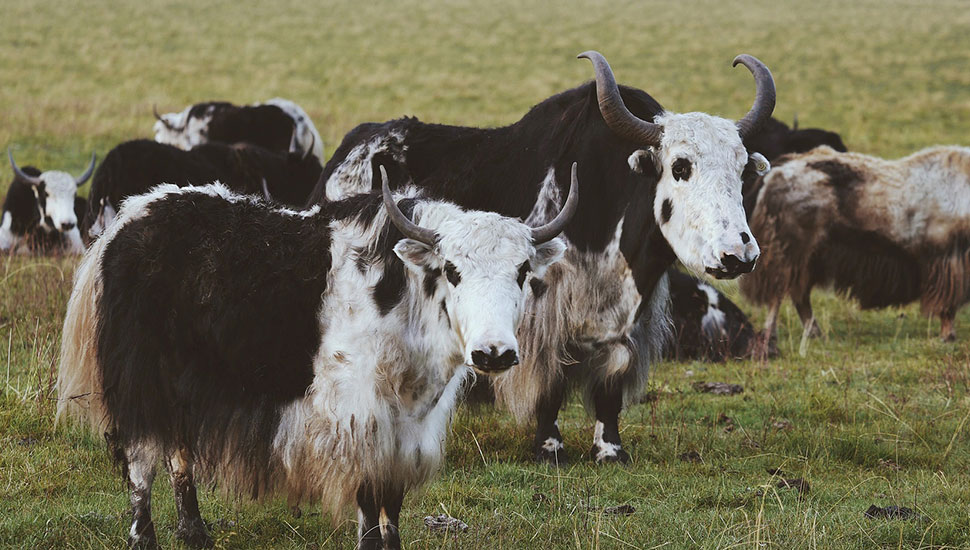 Yak downYak down
Yak down originates from the Qinghai-Tibet Plateau. It is the fine undercoat naturally shed in spring and collected by herdsmen in harmony with nature’s rhythm — a practice embodying the symbiotic wisdom of nomadic culture amid harsh natural environments.
Scarce in yield and labor-intensive to harvest, it is hailed as the “soft gold” of the plateau, representing understated luxury endowed by nature. Its unique hollow fiber structure delivers exceptional thermal insulation, providing powerful protection against cold. The fabric boasts a rich, plush texture with a warm, subtle luster, presenting a wild aesthetic that perfectly balances ruggedness and refinement.
-
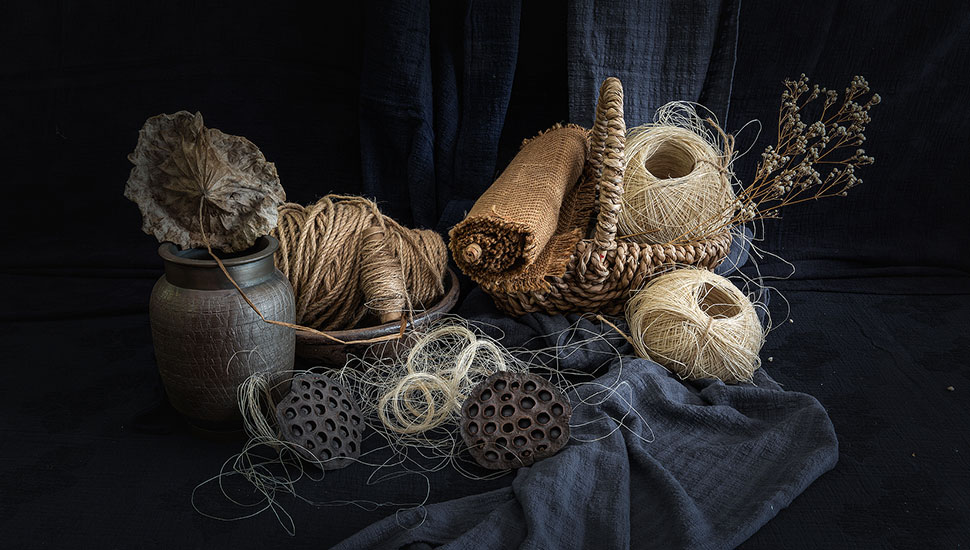 LinenLinen
Linen ranks among the earliest natural fibers cultivated by humanity, originating from the Near East and Mediterranean coastal regions. Its evolutionary history runs parallel to human civilization, earning it the elegant epithet of "fabric woven from moonlight."
Boasting exceptional heat dissipation performance—five times that of wool and nineteen times that of silk—it delivers an instantly cool, skin-friendly tactile experience.
Linen textiles feature a well-defined texture, a delicately smooth hand feel, and superb drapability, growing softer with repeated wear. Rich in over 18% hemicellulose, linen effectively absorbs ultraviolet rays and provides gentle, natural skincare protection.
-
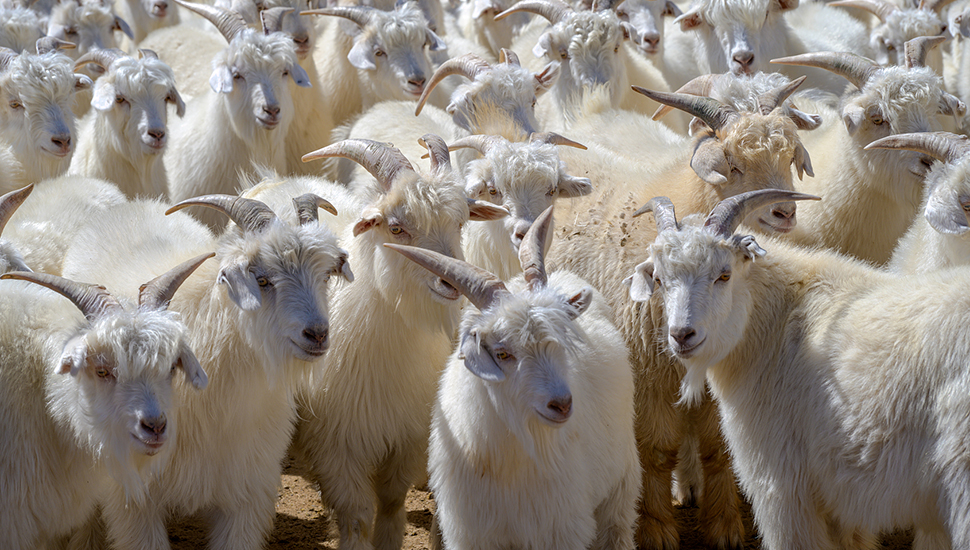 Inner Mongolia cashmereInner Mongolia cashmere
The advantage of Inner Mongolia cashmere over ordinary cashmere lies in its excellent quality and characteristics. The unique climate conditions and geographical environment in Inner Mongolia provide ideal natural conditions for the growth of cashmere, making the cashmere fibers here more slender, soft, with better warmth and luster. In addition, the production of cashmere in Inner Mongolia is relatively low, making it a rare and precious natural fiber, thus enjoying a higher reputation and value in the market. These characteristics of Inner Mongolia cashmere make it superior to ordinary cashmere in terms of comfort, durability, and aesthetics, making it the preferred material for high-end cashmere products.
-
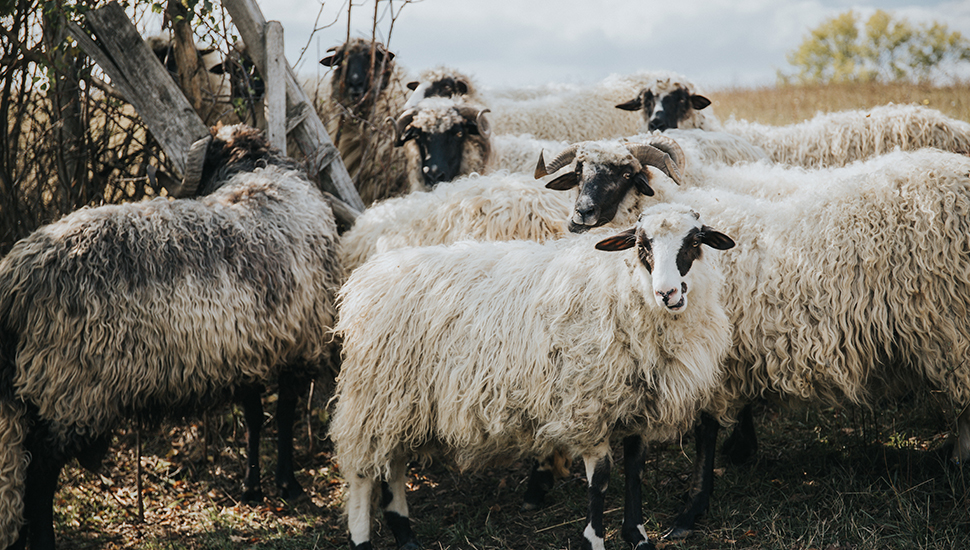 Australian Merino woolAustralian Merino wool
The advantages of Australian Merino wool over regular wool mainly lie in its fiber fineness, softness, and elasticity. The fibers of Merino wool are finer, which makes it softer and more comfortable to the touch, while also having better insulation performance. In addition, the fibers of Merino wool have a natural curly structure, which gives it excellent elasticity, allowing clothes to better maintain their shape and reduce wrinkles after wearing and washing. These characteristics of Merino wool make it superior to ordinary wool in terms of quality and durability, making it an ideal choice for making high-end wool products.
-
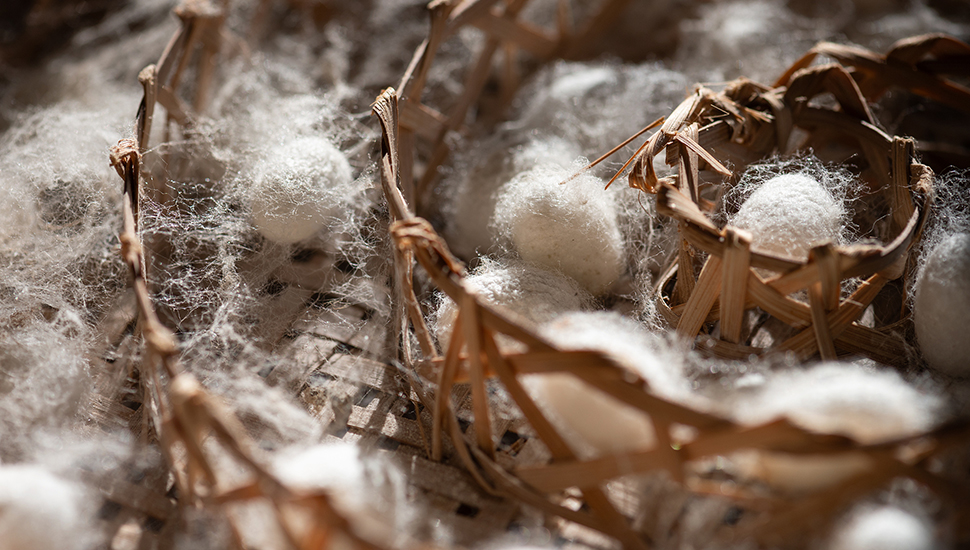 Jiangnan silkJiangnan silk
Jiangnan silk, also known as silk, has the advantage of its unique texture and luster. The Jiangnan region is famous for its humid climate and long-standing silk culture, producing silk that is smooth, soft, and has a bright luster. Silk fiber is slender and has high strength, with good moisture absorption and breathability, making it comfortable to wear and suitable for making high-end clothing and decorations. In addition, silk has excellent dyeing performance, which can display rich colors and delicate patterns, making it highly favored in the fields of art and fashion. These characteristics of Jiangnan silk make it a traditional material representing Eastern aesthetics and exquisite craftsmanship, renowned worldwide.
-
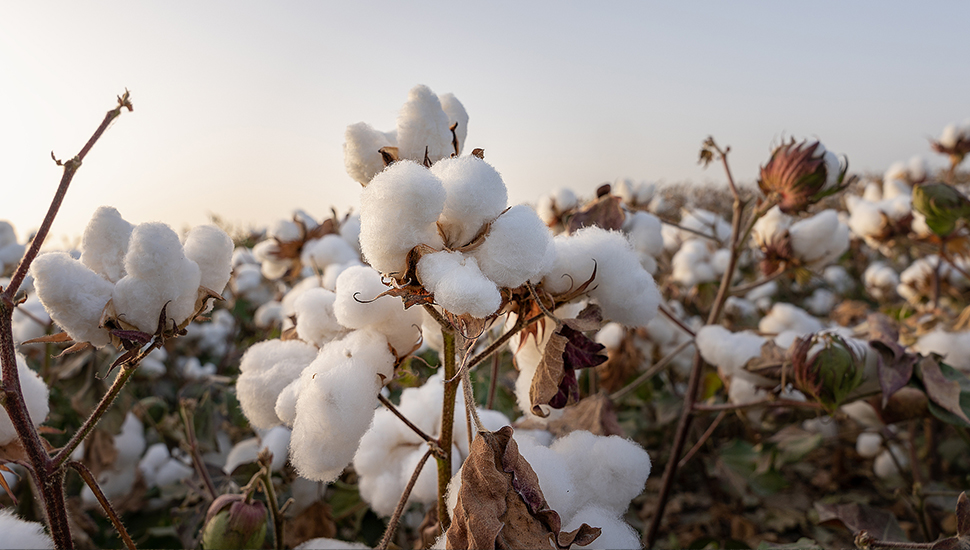 Xinjiang long-staple cottonXinjiang long-staple cotton
The advantage of Xinjiang long staple cotton lies in its fiber length and quality. The unique climate conditions in Xinjiang, especially abundant sunshine and suitable temperature differences, make long staple cotton fibers more slender, soft, and strong. This long fiber cotton not only feels more delicate and comfortable to the touch, but also forms smoother and more durable yarns during spinning and weaving, thus producing high-quality textiles. Xinjiang long staple cotton, due to its excellent quality, is widely used in the manufacturing of high-end bedding, clothing, and other cotton fabrics, and enjoys the reputation of "the finest cotton".
- Address: Zhejiang Yilei Woolen Textile Co., Ltd., No. 28 Ganshan Industrial Zone, Deqing County, Huzhou City, Zhejiang Province
- TEL: +86-572-849 8888
- Whatsapp:



Copyright © 2025 Zhejiang YILEI Woollen Spinning & Weaving Co., Ltd.
All Rights Reserved.

