
 English
 中文简体
Content
Merino has two reputations that travel together: one for softness, and one for coming out of the washing machine looking as though it was made for a much smaller person. Anyone who has pulled a felted jumper out of a drum knows how quickly the second reputation wins. Anti-shrinkage merino yarn exists to break that link, and after more than twenty years of spinning worsted merino, cashmere and blend yarns in Zhejiang, we have learned that the more useful question is rarely "is this yarn machine washable?" It is "what will the treatment do to the handle?"
This article walks through the main machine-washable routes we run, what each one does to the fibre, and how each one shifts softness, loft, lustre and drape — so you can choose a treatment that fits the garment, not just the care label.
Why Merino Shrinks — and What Anti-Shrinkage Actually Changes
Wool fibre is covered in microscopic cuticle scales that all point in one direction, like tiles on a roof. Under agitation in warm water, fibres migrate in one direction only, the scales lock against each other, and the fabric tightens into felt. That is not true shrinkage in the way cotton shrinks; it is felting, and it is irreversible. A separate effect, relaxation shrinkage, happens when strains built up during spinning and knitting release in the first wash.
Anti-shrinkage treatments work on the first mechanism. Broadly, they either smooth away or mask the scale edges so fibres can slide past one another instead of locking, or they build a soft film around the fibre that does the same job. Some routes combine both. The choice of route determines how much of the natural wool character survives — and that is where hand feel is won or lost.
The Machine-Washable Treatments We Spin and Finish
There is no single "anti-shrinkage merino". There are several finishing families, each with a different trade-off. These are the routes that appear most often in our order book.
Chlorine-Hercosett Superwash: The Classic Route
The best-known machine-washable process pairs a controlled oxidative step with a thin polyamide resin that coats the fibre. Scales are softened and the surface is sealed, so felting is suppressed strongly enough to survive a normal machine cycle. The trade-off is a change in character: the yarn becomes smoother, slightly cooler to the touch and more lustrous, dries faster, and loses some of the fuzzy halo that gives wool its cosy feel. In low-twist yarns the resin can also leave a faintly dry or slick impression, so fine micron counts are essential to keep the handle soft. Our own Opal anti-shrinkage range is built on this logic, using 13.5 and 14.5 micron extra-fine merino so that smoothness never reads as harshness.
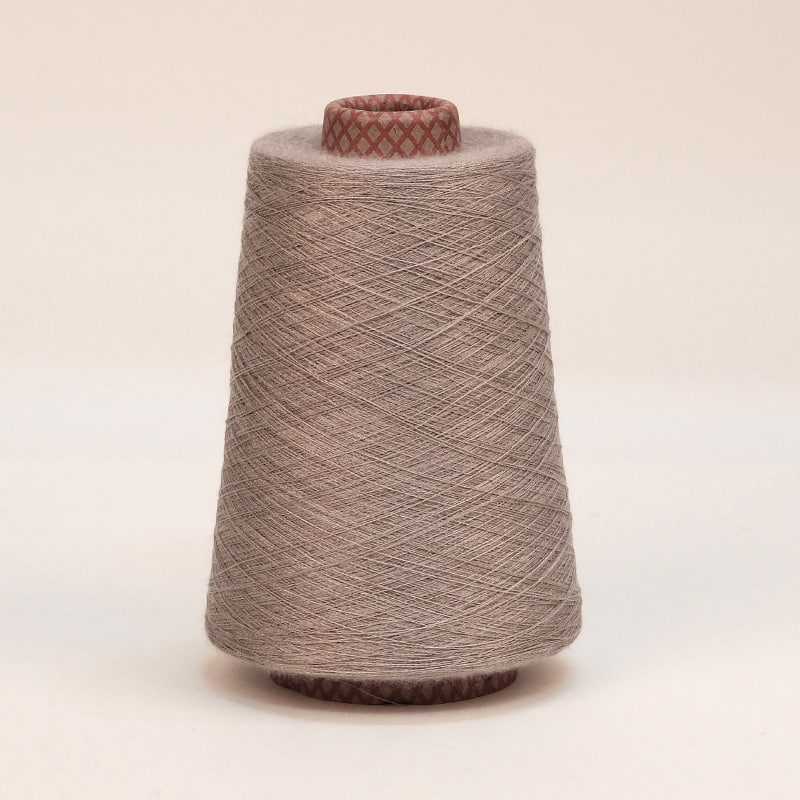
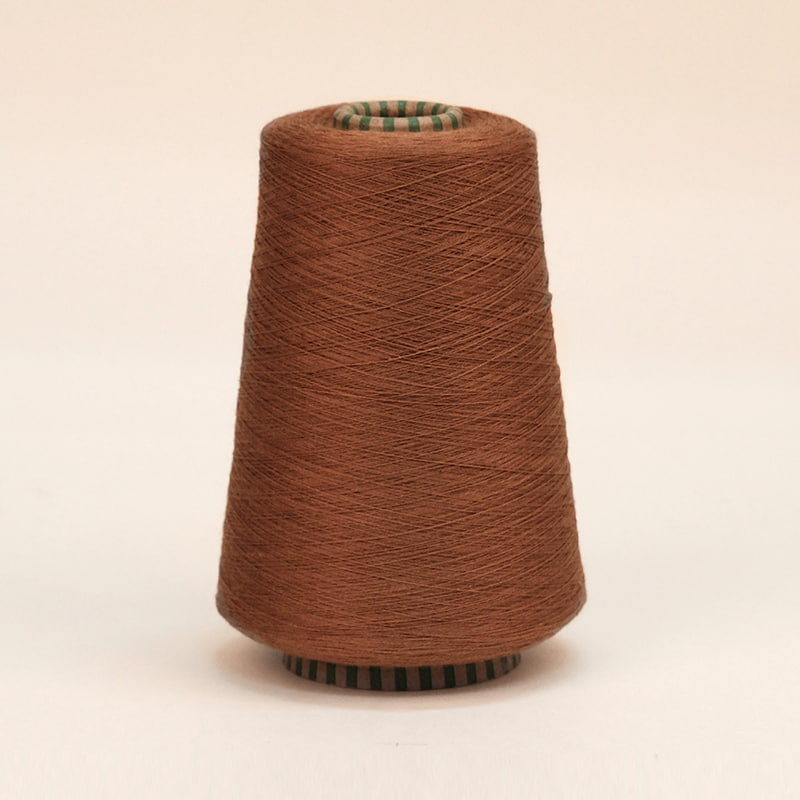
 OPAL 13.5-Micron Anti-Shrinkage Merino YarnOPAL uses 13.5-micron extra-fine anti-shrinkage merino in Nm 2/80 and 3/80, offering a smooth, soft handle for high-end knitwear with a fine-fibre character.View Product →
Basolan Treatment: Softer, Fuller, Closer to Nature
Basolan-type treatments are milder oxidative finishes without the heavy resin build. They reduce felting shrinkage meaningfully but stop short of the hard-wearing superwash standard, so garments are usually labelled for a wool or gentle cycle rather than a full everyday wash. What you gain is hand feel: the yarn keeps its loft, retains a soft, slightly airy bulk, and still smells and behaves like wool. For next-to-skin knits where a powdery softness matters more than a bulletproof care label, this is often the better answer.
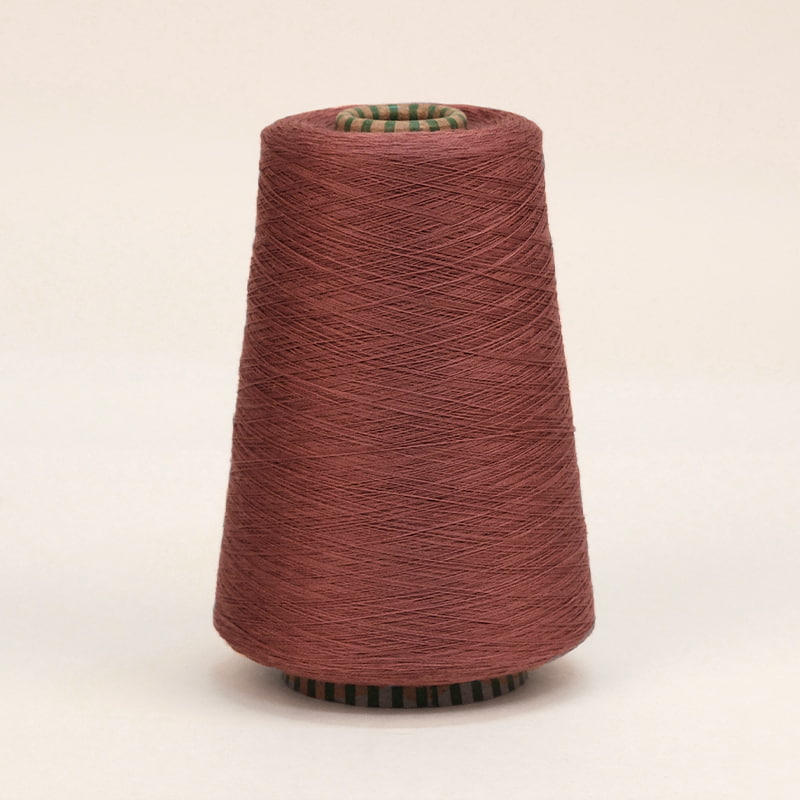
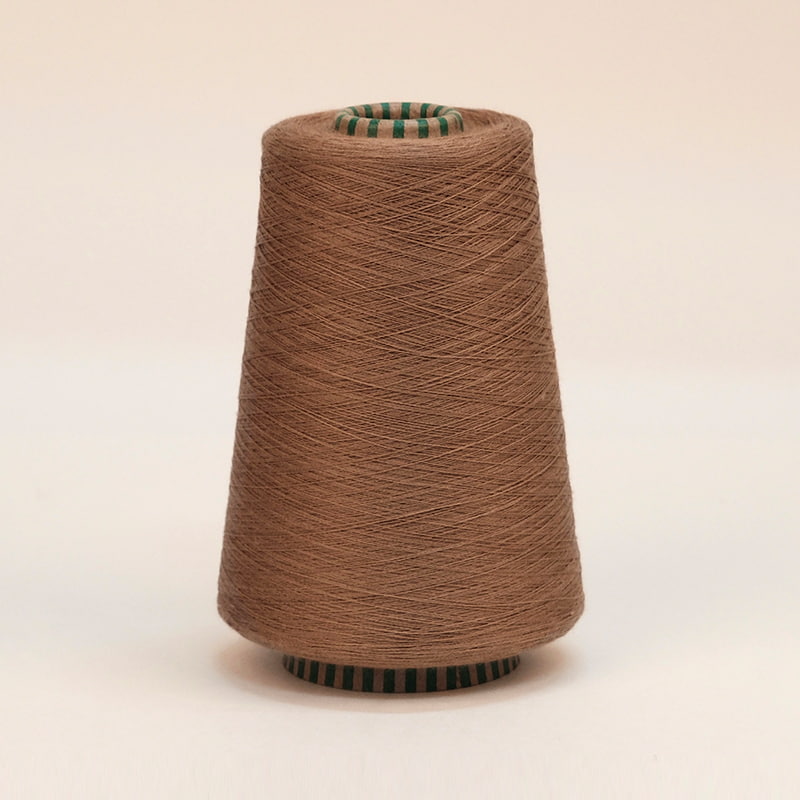
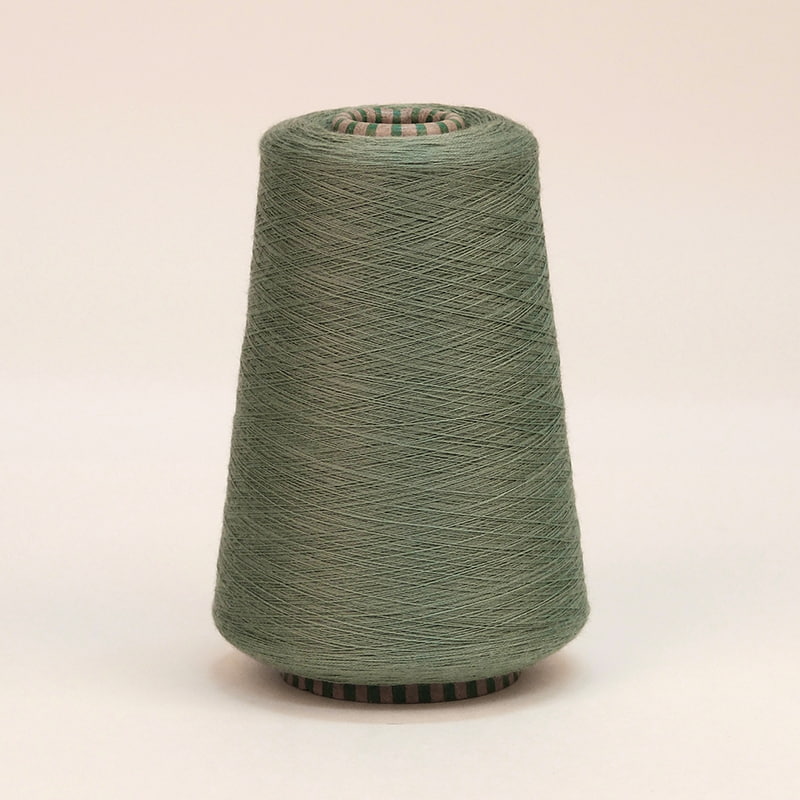 RIGINA 16.5-Micron Basolan Merino YarnRIGINA is 16.5-micron Basolan merino in Nm 2/48 and 2/60, preserving wool's soft, fluffy character with strong colour performance for knit and woven fabrics.View Product →
Mercerized Merino: Chlorine-Free Lustre
Mercerization for wool is an alkaline, chlorine-free route that smooths the scale edges and opens up the fibre surface. The result is a yarn with real lustre, excellent dye depth, a cool and silky touch, and good stitch definition — plus wash stability achieved without a heavy resin layer. The compromise is a slight loss of halo and a crisper, more "polished" drape. In fine-gauge circular knitting and clean, modern jacquards, that crispness is usually exactly what the design calls for.
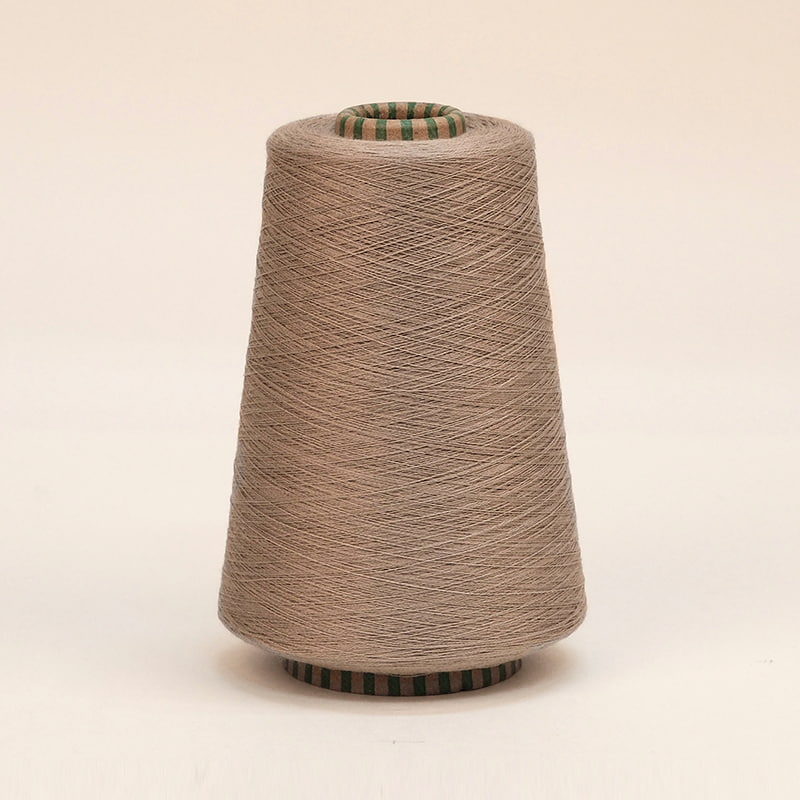
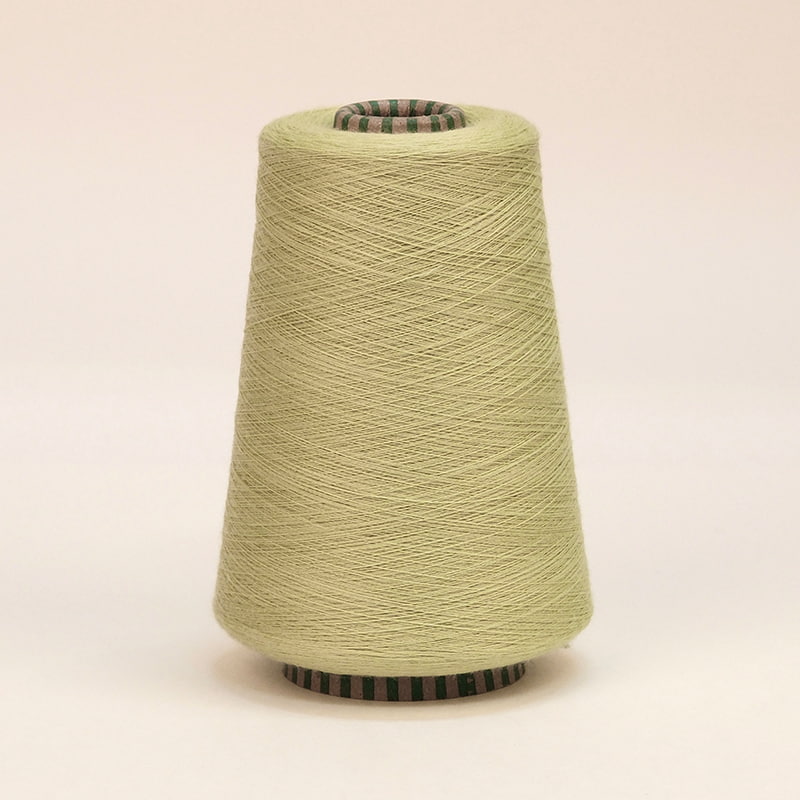
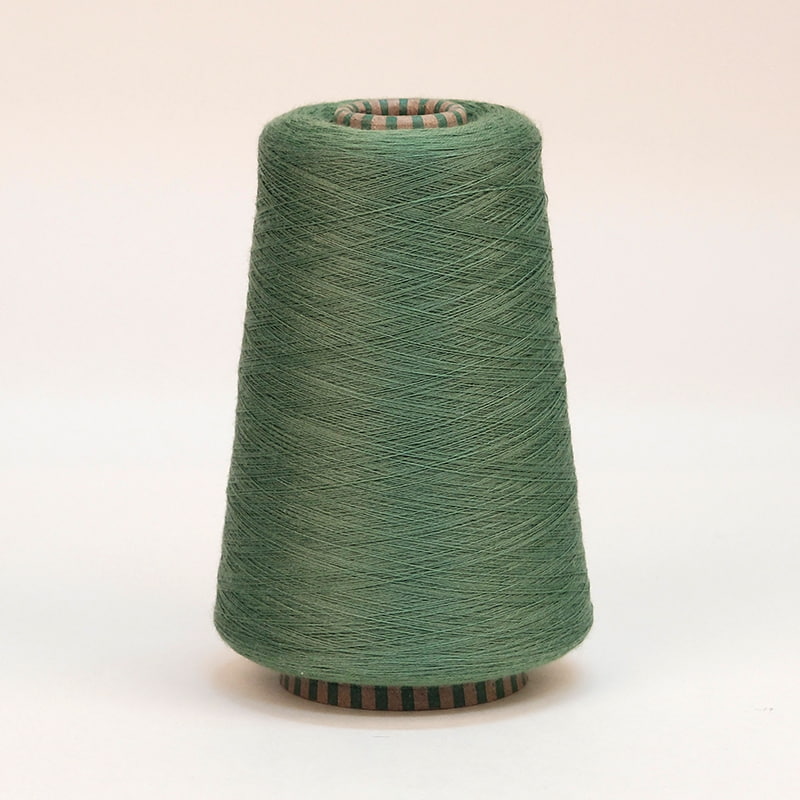 AGATE Extra-Fine Mercerized Merino YarnAGATE is a 14.5-micron extra-fine mercerized merino in Nm 2/80 and 3/100, offering delicate lustre, breathability and easy-care performance for high-end functional clothing.View Product →
PVA-Supported Ultralight Yarns
For extremely fine, gauzy scarf qualities, a water-soluble PVA carrier lets us spin yarns as fine as Nm 2/100 and Nm 2/120 that would otherwise fall apart on the frame. The PVA is dissolved away after knitting, leaving an airy, almost weightless fabric. These are not the yarns to specify when machine washing is the headline requirement; they are the yarns to specify when weightlessness is.
Untreated Merino
Untreated merino keeps everything: the halo, the bounce, the full, slightly rustic softness. It also keeps the felting risk. Where a brand is happy to write "hand wash cold, dry flat" on the label, untreated 16.5 or 18.5 micron yarn remains the most characterful option available.
How Each Treatment Shifts Hand Feel
The table below summarises the practical differences. Read the hand feel column as a direction of travel rather than an absolute — the base micron count still dominates the final result.
| Treatment | How it works | Wash stability | Effect on hand feel | Typical use |
|---|---|---|---|---|
| Chlorine-Hercosett superwash | Scale softening plus light resin coating | High; machine wash and limited tumble dry | Smoother, cooler, more lustrous, lower loft, faster drying | Everyday knitwear, socks, easy-care jersey |
| Basolan | Mild oxidation without heavy resin | Moderate; wool or gentle cycle | Soft, full, lofty, close to untreated character | Next-to-skin knitwear, premium basics |
| Mercerized (chlorine-free) | Alkaline smoothing of scale edges | Good; no heavy resin needed | Silky, cool, high lustre, crisp drape, less halo | Fine-gauge circular knits, scarves, clean jacquards |
| PVA-supported ultralight | Water-soluble carrier removed after knitting | Depends on the base fibre | Weightless, open, gently textured | Featherweight scarf qualities |
| Untreated | No chemical modification | Low; hand wash only | Fullest halo, bounciest, warmest touch | Hand-wash accessories and statement knits |
Matching the Treatment to the End Use
Start from the washing machine the customer actually owns, then work backwards. A baby blanket or a school jumper needs the full superwash route. A fine-gauge roll-neck sold online to a design-conscious customer can usually live with a gentle cycle and benefits enormously from the fuller Basolan hand. A scarf in Nm 2/120 wants weightlessness first and wash stability second.
Micron count is the second lever. A 13.5 micron base can absorb a resin finish and still feel supple; an 18.5 micron base put through the same route will read noticeably drier. When a brief calls for softness at a competitive price, we often suggest stepping down one micron rather than stepping down the treatment. Yarn count behaves the same way: a two-fold Nm 2/80 spun from 14.5 micron mercerized merino drapes quite differently from the same count in a heavier resin finish, even though both arrive with the same care claim.
What to Ask Before You Commit to a Treatment
A care claim is only as good as the data behind it. When comparing anti-shrinkage merino yarns from different suppliers, ask for the same four things:
- Shrinkage figures after at least three and five wash cycles, reported separately for relaxation and felting.
- The resin add-on percentage, if any — it explains a lot about how the yarn will feel and how it will age.
- Pilling results measured after washing, not before, since surface change is where most complaints originate.
- A knitted and washed swatch in the same lot, handled blind. Paper specifications rarely predict how a fabric feels in the hand after the third wash.
We run these checks on our own spinning and finishing lines as routine practice, because the hand feel of a finished garment is decided long before the care label is printed.
Final Thoughts
Anti-shrinkage merino is not a single product but a family of compromises, and the good ones are chosen deliberately. Superwash buys convenience at the cost of a little halo; Basolan buys softness and asks for a gentler wash; mercerization buys lustre and crispness and gives up some fluff. None of them is wrong — they simply suit different garments.
If you are weighing up which route fits your next development, tell us the care label you want to print and the hand feel you are chasing. We will point you towards the treatment, micron and count that get you there. You can reach our team here and we will talk it through with you.