
 English
 中文简体
Content
A cashmere yarn’s carbon footprint is often reduced to a single figure, but that number depends heavily on where the boundary is drawn. A kilogram of greasy cashmere leaving a farm, a kilogram of scoured fiber arriving at a mill, and a kilogram of dyed, finished yarn on a cone are three different products with three different emission profiles. For spinners, understanding that difference is practical, not academic. It shows where a mill can act directly, where it must influence suppliers, and where a claim about “low-carbon cashmere” needs a clearer foundation.
This article walks through the main emission sources in cashmere yarn and the reduction levers that spinning mills can realistically use. The focus is on worsted cashmere yarn for apparel, accessories and circular knitting, where fiber fineness, yarn count and finishing routes all shape the final footprint.
What the Carbon Footprint of Cashmere Yarn Actually Covers
Most footprint studies express results as kilograms of carbon dioxide equivalent per kilogram of yarn, or kg CO2e/kg. That unit looks simple, but the scope behind it matters. A cradle-to-gate study may include goat husbandry, fiber collection, dehairing, scouring, spinning, dyeing, finishing and transport to the customer. A gate-to-gate study may cover only the spinning mill’s own energy use. Neither is wrong, but they cannot be compared directly.
Cashmere also brings an allocation question. Goats produce fiber, milk and meat, and the environmental burden of keeping the animal is sometimes divided among those outputs. Different methods can therefore produce very different results for the same fiber. Mills do not need to resolve every methodological debate, but they should ask suppliers and customers to state the boundary, the reference year and the data source before making comparisons.
| Lifecycle stage | Main emission sources | Mill influence |
|---|---|---|
| Goat husbandry and land | Enteric methane, feed production, manure, grazing pressure and land-use change | Indirect, through sourcing and supplier programs |
| Fiber collection and dehairing | Diesel and electricity use, fiber loss, transport from collection points | Moderate, through yield and waste control |
| Scouring and washing | Hot water, detergents, wastewater treatment and drying energy | High for integrated mills; indirect for buyers of scoured fiber |
| Spinning and yarn forming | Electricity for opening, carding, combing, drawing, roving and spinning | High, especially through yield and machine efficiency |
| Dyeing and finishing | Thermal energy for dye baths, drying, steam and chemical use | High, through recipe design and heat recovery |
| Transport and packaging | Freight mode, distance, packaging material and air versus sea shipment | Moderate, through planning and consolidation |
| Use and end-of-life | Washing, drying, durability and disposal route | Influenced by yarn quality and care guidance |
The table is a map, not a ranking. In many cashmere supply chains, farming and land-related emissions are the largest share, but processing can still be material, especially when scouring, dyeing and drying rely on coal, diesel or inefficient electric heating. For a spinner, the most useful question is not “what is the average?” but “which stages are inside my control, and what data can I improve first?”
Where Emissions Come From
Goat husbandry and land use
Cashmere comes from the soft undercoat of cashmere goats, and the animals’ digestive process produces methane. Feed production, manure management and grazing also contribute. Because each animal produces a relatively small amount of fine fiber each year, the burden per kilogram of cashmere can be high. Herd productivity, pasture condition and grazing management therefore matter. Overstocked land can degrade soil and reduce future productivity, which is both an environmental and a supply-risk issue.
A spinning mill rarely owns the herd, but it can ask for traceability, responsible grazing practices and credible certification. The Responsible Wool Standard is designed for wool, not cashmere, but the principle of farm-level assurance is relevant. Buyers should check what a standard actually covers rather than assuming that a logo applies to every fiber in a blend.
Fiber processing and scouring
Raw cashmere is sorted and dehaired to separate the fine undercoat from guard hair. This is mainly mechanical, but it consumes electricity and generates waste. Scouring removes grease, dirt and vegetable matter, usually with hot water and detergents. The energy used to heat water and dry fiber can be significant, and wastewater treatment adds another load. Fiber loss at this stage is not only a cost issue; every kilogram of rejected fiber carries embedded emissions from farming and transport.
Spinning, dyeing and finishing
Worsted spinning is electricity-intensive. Opening, carding, combing, drawing, roving and spinning all use motors, fans and compressed air. The finer the yarn, the more processing steps and the greater the risk of breaks and waste. Dyeing is often the thermal hotspot inside the mill: baths must be heated, yarn must be dried, and steam is used throughout finishing. A poorly controlled dye recipe can also cause shading problems, leading to rework that doubles energy use for that batch.
Transport and end-of-life
Cashmere fiber and yarn often travel long distances. Sea freight is usually far less emission-intensive than air freight, but urgent orders can shift the mode. Packaging, warehousing and inland trucking add smaller shares. At end-of-life, the durability of the yarn matters: a garment that keeps its shape and handfeel for many seasons avoids the emissions of replacement. Pilling, fiber shedding and poor color fastness shorten useful life, so quality is a climate issue as well as a commercial one.
What Mills Can Reduce Without Greenwashing
Reduction work should start with measurement. A mill does not need a perfect lifecycle assessment before acting, but it does need a consistent boundary, meter readings, production volumes and a clear record of which data are estimated. At YILEI, our manufacturing and environmental management systems provide a practical base for tracking energy, materials and quality batch by batch. You can see more about our production setup on our manufacturing page.
Measure at the right boundary
Separate Scope 1 fuel use, Scope 2 purchased electricity and Scope 3 supply-chain impacts. Record yarn count, fiber micron, dye route and production yield alongside energy data. A kilogram of undyed Nm 2/48 yarn and a kilogram of dyed Nm 3/100 yarn are not directly comparable without that context. Once the data are visible, targets can focus on the largest controllable loads rather than on easy publicity wins.
Reduce thermal load in scouring and dyeing
Heat recovery from dye baths, optimized boiler settings, low-temperature dyeing where colorfastness allows, and right-first-time recipes can cut energy without compromising quality. Reducing rework is especially valuable because a rejected dye lot consumes energy twice. For integrated mills, covering or insulating hot water tanks and recovering heat from drying exhaust are often straightforward first steps.
Improve electrical efficiency and buy cleaner power
Spinning motors, compressors, fans and lighting are the main electrical loads. Regular maintenance, variable-speed drives, leak repair in compressed-air systems and efficient spindle operation can lower consumption per kilogram of yarn. Switching to renewable electricity or onsite solar addresses Scope 2 emissions, but it should complement efficiency work rather than replace it. A mill that wastes less power needs fewer renewable certificates to reach the same result.
Engineer lighter, lower-waste yarns
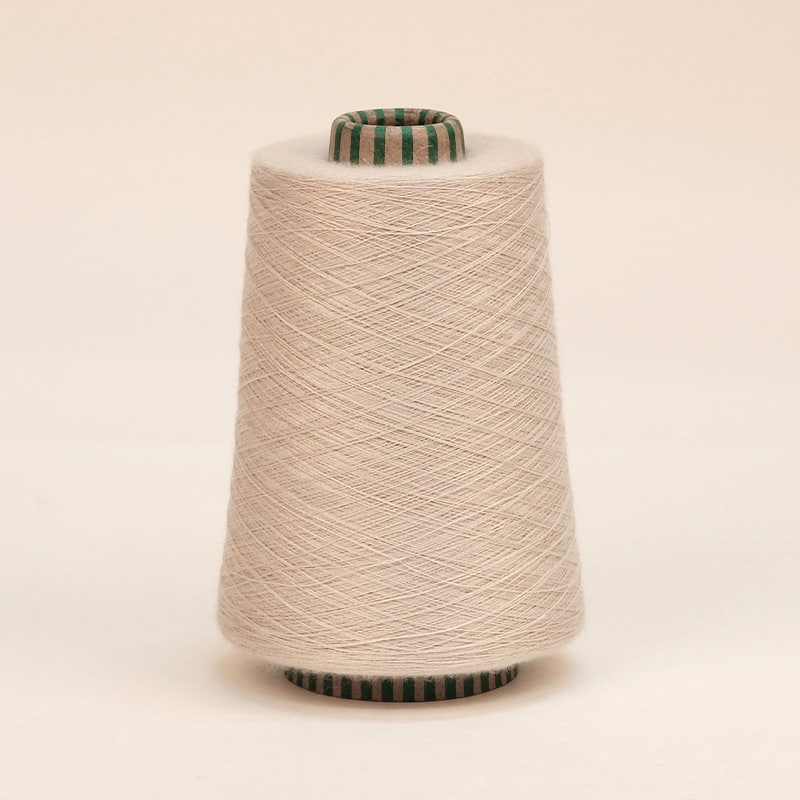
Yarn engineering can reduce material intensity. High-count cashmere yarns allow lighter fabrics with good coverage, provided the spinner controls fiber length, twist and breakage. Our high-count 100% cashmere yarn range, including Nm 2/80, Nm 3/80 and Nm 3/100, is developed for this kind of fine-gauge work.
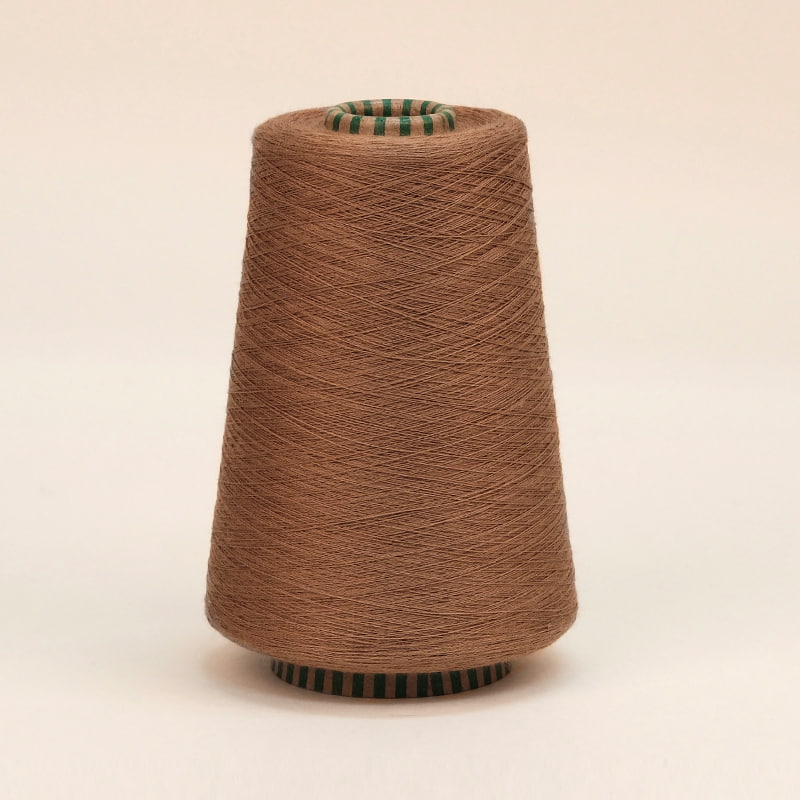 High-Count 100% Cashmere Yarn for Fine-Gauge KnittingFine-gauge 100% cashmere yarn in Nm 2/80, Nm 3/80 and Nm 3/100, offering a soft skin feel for lightweight close-fitting apparel.View Product →
Waste reduction is equally important. Better carding, optimized combing, closed-loop fiber recovery and careful lot planning can raise usable yield. Every percentage point of cashmere saved is a percentage point of farm-level impact avoided.
Use undyed fiber and credible blends
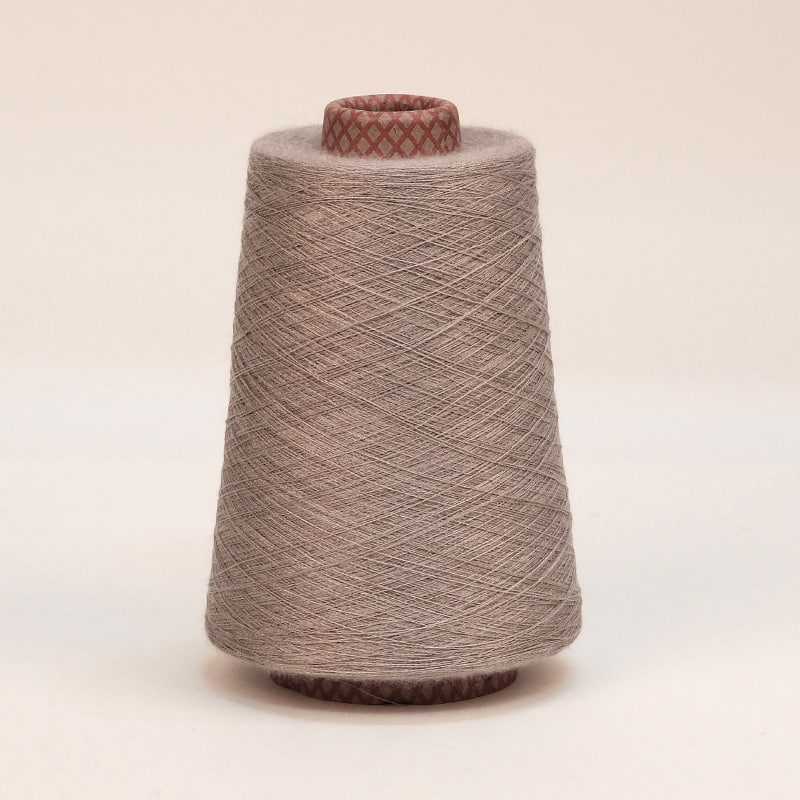
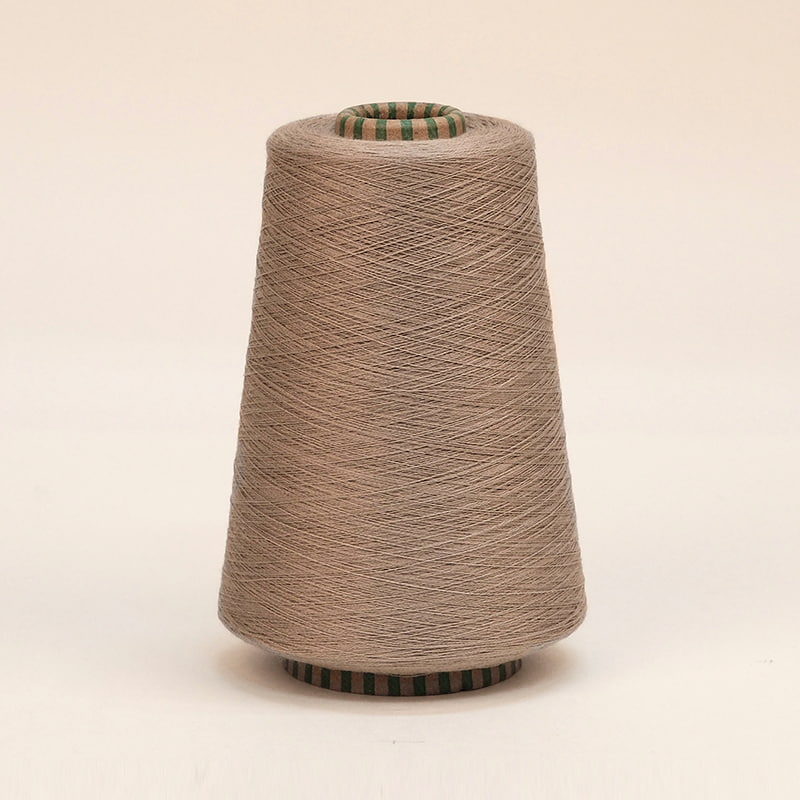
Undyed cashmere can avoid dyeing energy and chemicals entirely, especially where the natural grey-brown shade is part of the design. Our undyed grey-brown cashmere yarn in Nm 2/48 and Nm 3/68 supports this route.
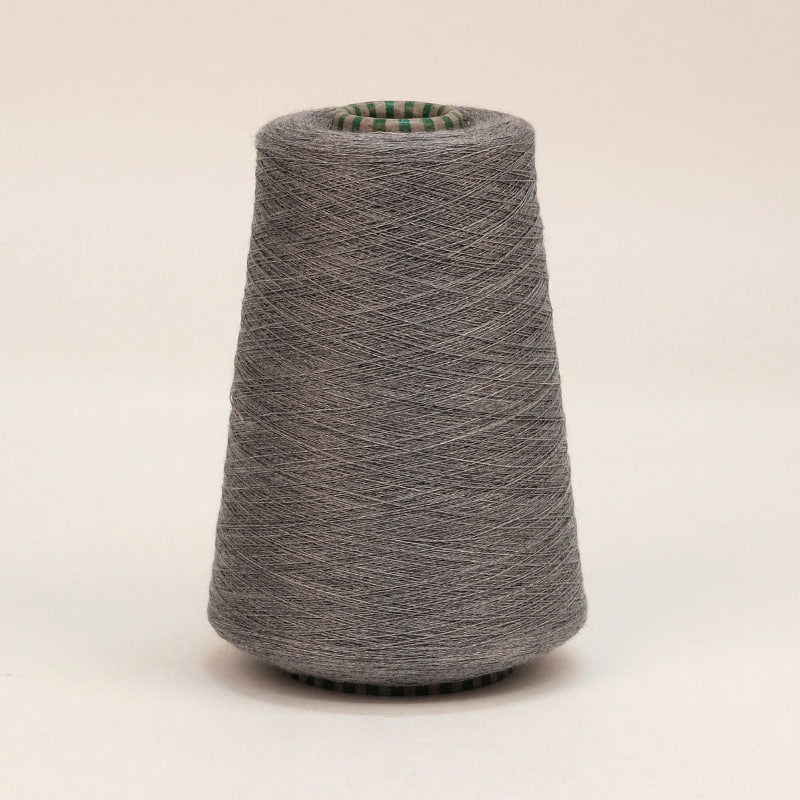 Undyed Grey-Brown Cashmere Yarn in Two Counts100% non-dyed grey/brown cashmere yarn in Nm 2/48 and Nm 3/68, preserving a natural hue without chemical dyes for apparel fabrics.View Product →
Blends can also lower cashmere content per kilogram, but only if the partner fiber is assessed honestly. A 70% merino wool and 30% cashmere blend may reduce cashmere use while maintaining softness and structure. Blending is not automatically low-carbon; it is a design choice that needs fiber-level data.
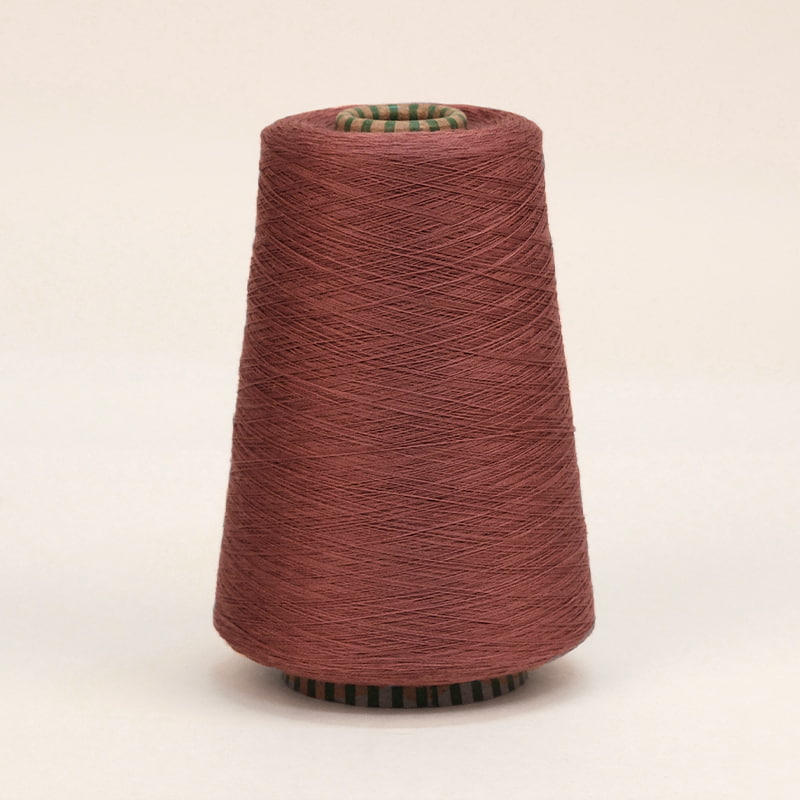
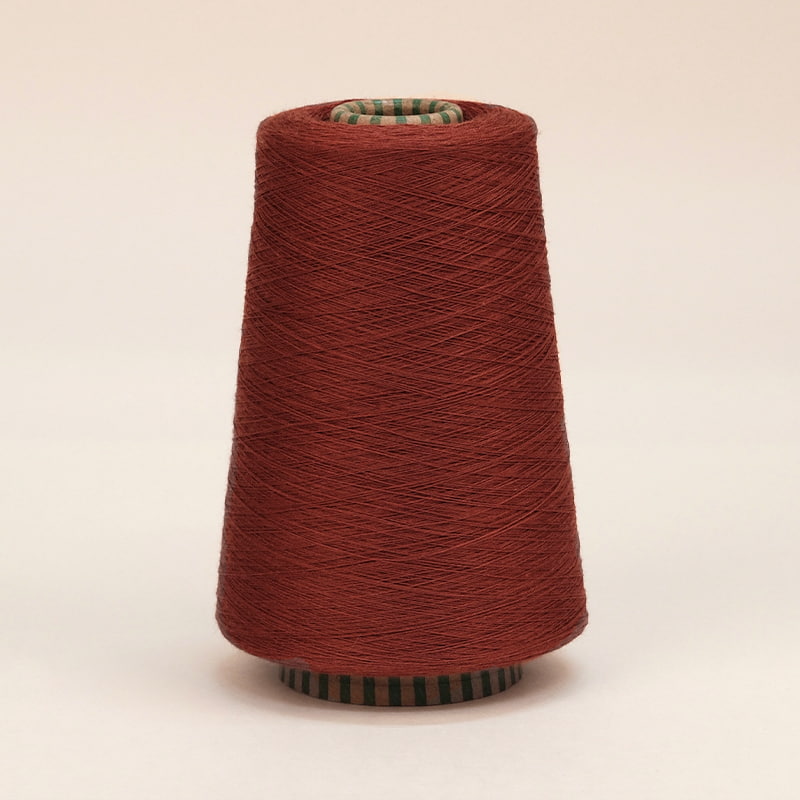 ZEN 70% Mercerized Merino 30% Cashmere Blend Yarn70% mercerized Merino and 30% cashmere blend in Nm 2/48 and Nm 3/68, with soft texture, improved anti-pilling performance and 45 stock colors.View Product →
A Practical Priority Order for Spinning Mills
- Set a consistent footprint boundary and record energy, fiber and yield data by product family.
- Attack heat use in scouring, dyeing and drying, including heat recovery and right-first-time dyeing.
- Reduce electricity per kilogram through maintenance, compressed-air control and motor efficiency.
- Increase first-quality yield and recover clean fiber waste where it can be reused.
- Offer undyed, high-count and well-assessed blend options that reduce material and processing intensity.
- Engage fiber suppliers on grazing, traceability and animal welfare, and be transparent about what is verified.
None of these steps makes cashmere a zero-impact fiber. What they do is separate real operational improvement from vague sustainability language. For mills and brands, the strongest position is a modest one: state the boundary, show the data, reduce what is controllable and keep asking suppliers for better information. Our approach to fiber, process and natural color is summarized in our natural philosophy, and it begins with the same principle: respect the material enough to measure it properly.