
 English
 中文简体
Content
- 1 Why Diameter and Staple Length Need to Be Read Together
- 2 What 14.5, 15.5 and 16.5 Microns Feel Like in the Hand
- 3 Fiber Length: The Quiet Strength Factor
- 4 How the Two Numbers Interact on the Spinning Floor
- 5 Reading a Specification Sheet Beyond the Average
- 6 Matching the Specification to the Finished Piece
- 7 A Practical Starting Point
A cashmere yarn can feel beautifully soft in the showroom and still disappoint in a finished garment if fiber length and diameter have not been balanced. In our daily work at Zhejiang YILEI Woollen Spinning & Weaving, we see this conversation come up again and again with knitters, weavers and scarf makers. The micron number gets most of the attention, but the staple length behind that number often explains why one 15.5 micron yarn spins cleanly and another feels tender on the frame. The useful question is not simply “how fine is it?” but “how fine is it, how long is it, and how uniformly do those two facts behave together?”
Why Diameter and Staple Length Need to Be Read Together
Fiber diameter, usually expressed in microns, describes the average thickness of the cashmere fibers. It has a direct effect on how the yarn bends and how it meets the skin. Finer fibers are more flexible, so they collapse softly instead of pricking or feeling stiff. This is why the 14.5 to 16.5 micron band sits in such an interesting place: it is fine enough for a luxurious hand feel, yet broad enough to cover different levels of resilience, durability and cost.
Staple length is the other half of the story. It describes how long the individual fibers are before spinning. Longer fibers overlap more during drafting, create more contact points inside the yarn, and usually produce a stronger, smoother yarn with fewer protruding ends. Shorter fibers can still be soft, but they need more twist, generate more fly during spinning, and may pill more readily in wear because loose ends work their way out of the surface.
In practical terms, diameter influences touch; length influences tenacity, hairiness and how comfortably the yarn runs through knitting or weaving. A specification sheet that gives only the micron average is like describing a fabric by its color alone. It tells you something important, but not the whole story.
What 14.5, 15.5 and 16.5 Microns Feel Like in the Hand
At 14.5 microns, cashmere feels exceptionally light and soft, with a delicate, almost airy quality. The fiber bends easily, so even a relatively light fabric can feel plush. The trade-off is that very fine fibers need careful handling: they are less forgiving during spinning and finishing, and they benefit from a longer staple so the yarn still has enough strength for its intended count.
Around 15.5 microns, many of our customers find the balance they are looking for. The hand feel is still clearly fine, but the yarn has a little more body and recovery than an ultra-fine spec. For knitwear that must keep its shape, or for scarves that need drape without becoming fragile, this middle ground is often very practical.
At 16.5 microns, cashmere remains soft, but it shows more resilience and presence. The fiber is slightly more robust, which can be an advantage in classic knitwear, woven accessories and blends where strength and shape retention matter. It is not a “lesser” choice; it is a different balance. A well-spun 16.5 micron yarn with a long staple can outperform a poorly prepared 14.5 micron yarn in both appearance and wear.
| Average diameter | Hand feel | Spinning and use notes |
|---|---|---|
| 14.5 micron | Very soft, airy, delicate | Needs longer staple and gentle processing; suited to fine-gauge knits and light scarves |
| 15.5 micron | Soft with a little more body | Balanced softness and recovery; versatile for knitwear and accessories |
| 16.5 micron | Soft, resilient, more substantial | More forgiving in spinning; useful for classic knits, wovens and blends |
For a classic pure cashmere yarn built around this balanced range, we often point customers toward the Nm 2/48 to Nm 3/68 family before moving into higher counts. It gives designers a familiar starting point for sweaters, cardigans and scarves without pushing the fiber into a count it cannot comfortably support.
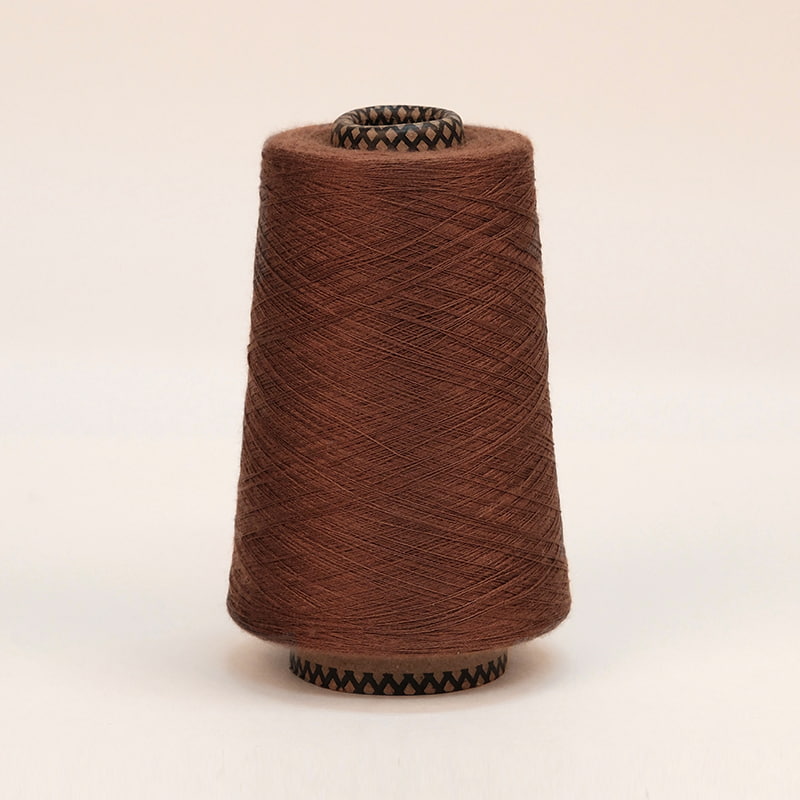
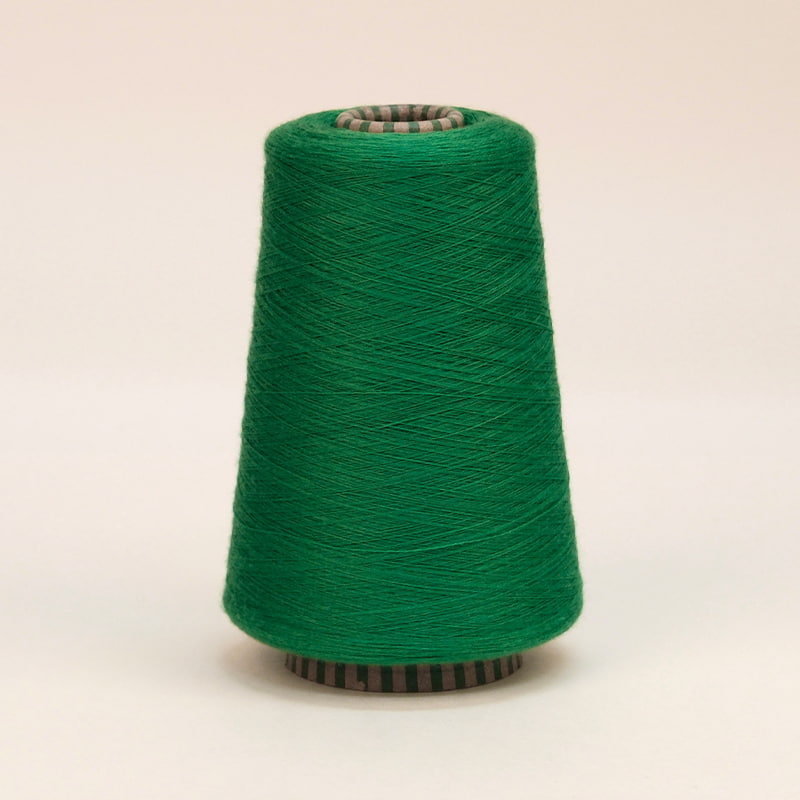
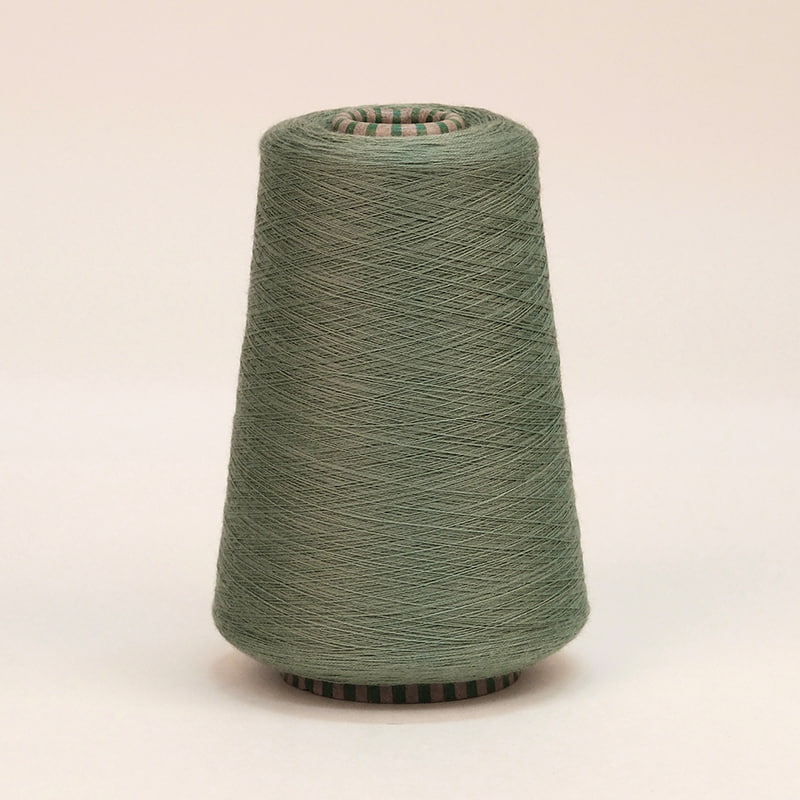
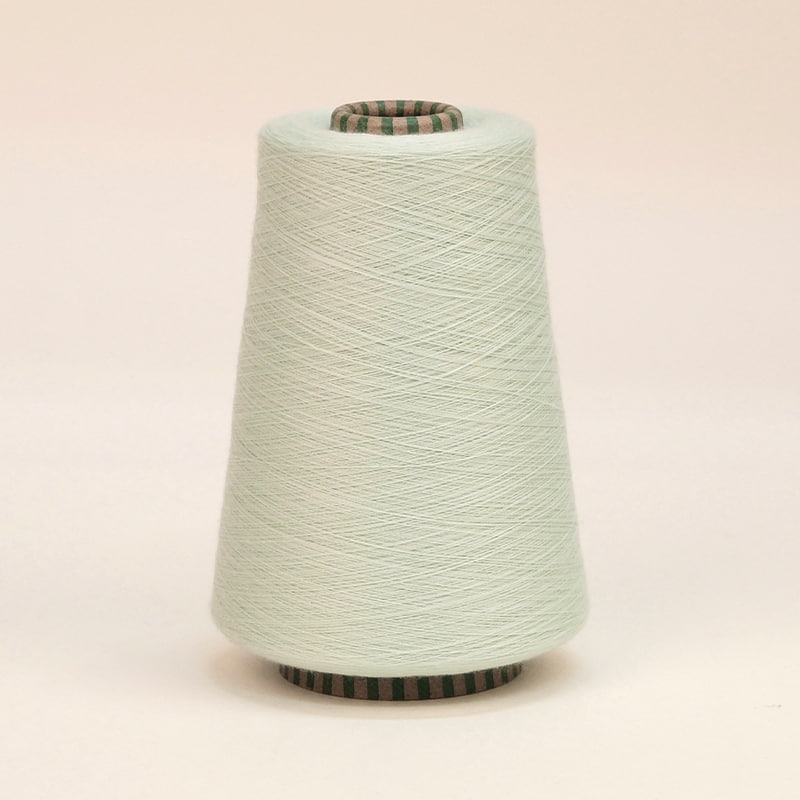
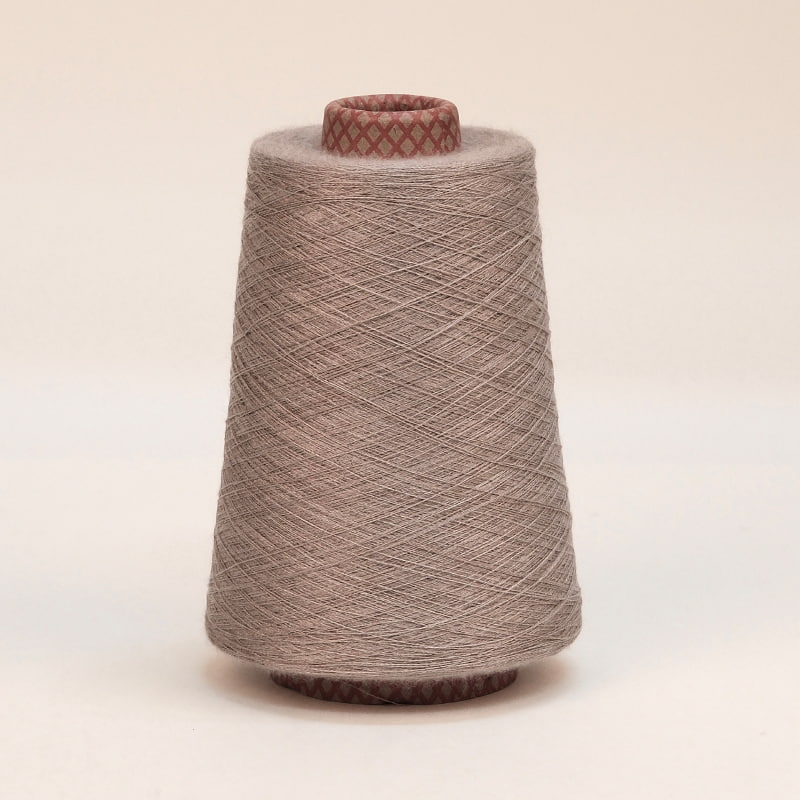 JADE Premium Worsted 100% Cashmere Yarn SeriesA classic-count pure cashmere option with stock service in Nm2/48 to Nm3/68 and 60 colors for sweaters, cardigans and scarves.View Product →
Fiber Length: The Quiet Strength Factor
For cashmere, a staple length in the low to mid 30s of millimeters is common, while premium lots can reach 34 to 40 millimeters. Length matters most when the fiber is fine. A 14.5 micron fiber is soft, but if it is short, the spinner has to introduce more twist to hold the yarn together. That extra twist can reduce the soft, open hand feel and increase the risk of surface fuzz. A longer fiber allows a lower twist, a smoother yarn surface and better strength at the same count.
We also look at the distribution, not just the average. A batch with a 36 millimeter average can still behave poorly if it contains a high proportion of short fibers. Those short fibers migrate differently during drafting, create thin spots, and later become pills. This is why our spinning team pays close attention to short fiber content, length variation and the condition of the fiber before it reaches the carding and combing stages.
Why higher counts need a more careful match
As yarn count moves from Nm 2/48 toward Nm 2/80 or Nm 3/100, there are fewer fibers in the cross-section. Each fiber has to do more work. A fine diameter helps the yarn stay soft, but a longer staple helps it survive spinning and finishing. When both are right, a high-count cashmere yarn can feel remarkably light while still holding its structure in a finished garment.
That is why we do not treat micron and length as separate selling points. They are a pair, and the pair has to suit the yarn count, ply and end use. Our spinning and quality control process is built around checking that relationship rather than simply chasing the lowest micron number.
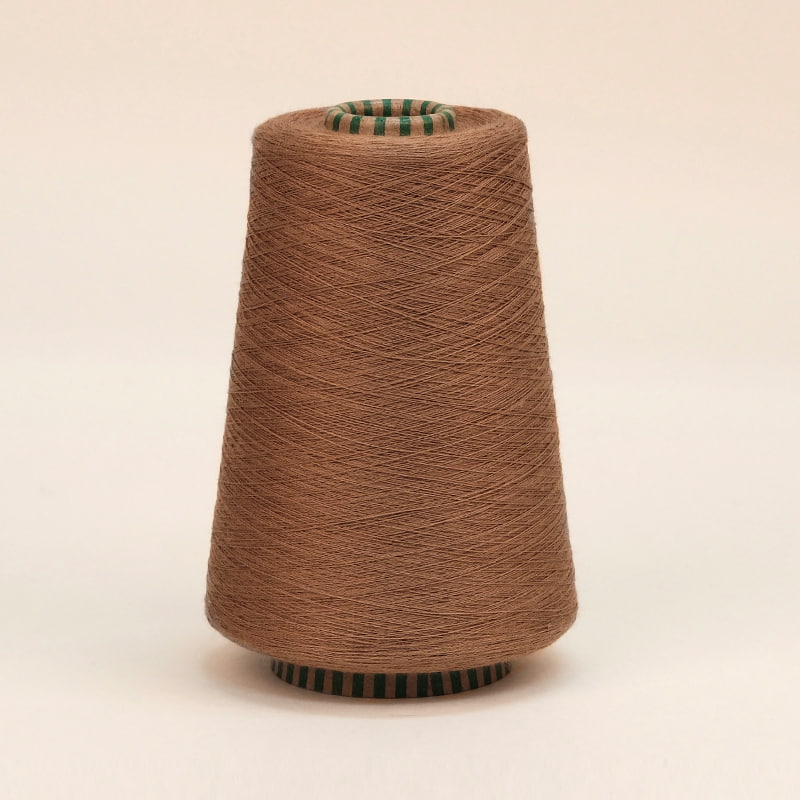 High Count 100% Cashmere Yarn for Fine-Gauge KnitsOffered in Nm2/80 to Nm3/100, this fine-gauge cashmere yarn is positioned for delicate, close-to-skin garments and supported by strict quality control.View Product →
How the Two Numbers Interact on the Spinning Floor
In our experience, the most reliable combinations follow a few practical patterns:
- Fine diameter with long staple: very soft, relatively strong, smoother surface and better pilling resistance, but higher raw material cost.
- Fine diameter with short staple: soft on first touch, but weaker and more prone to fuzz; needs careful twist control and a realistic count.
- Moderate diameter with long staple: slightly less delicate, but strong, clean-spinning and durable; excellent for everyday knitwear.
- Moderate diameter with short staple: economical, but the yarn may feel drier and pill more quickly unless the blend and finish are carefully chosen.
This is why a 14.5 to 16.5 micron specification should always be read with the staple length and the yarn count beside it. A 16.5 micron fiber with a 36 millimeter staple may be the better choice for a sweater that has to keep its shape, while a 14.5 micron fiber with a long staple may be the right choice for a light, soft scarf. Neither is automatically better; each answers a different design question.
Reading a Specification Sheet Beyond the Average
When a mill or buyer reviews cashmere fiber data, the average micron is only the first line. The coefficient of variation around that average, the staple length distribution, the short fiber content and the test method all affect how the lot will spin. Two batches can both read “15.5 micron” and behave quite differently if one has a tight distribution and the other contains a wide spread of coarse and fine fibers.
It also helps to ask how the fiber was sampled and tested. IWTO and ISO methods are widely used in the trade, and reputable suppliers should be able to explain the test basis clearly. A low average with a high variation is not the same as a stable, uniform lot. For yarn development, uniformity is often worth more than a headline number that looks impressive on paper but behaves unpredictably in production.
- Check the mean diameter and the variation around it.
- Ask for staple length and short fiber content, not just the average length.
- Match the fiber spec to the yarn count, ply and intended fabric weight.
- Confirm the processing route, because dyeing, finishing and anti-shrink treatment can change the final hand feel.
Matching the Specification to the Finished Piece
For soft, light sweaters, a fine cashmere in the 14.5 to 15.5 micron range with a sound staple length can create a very refined hand feel, especially in a higher count yarn. For classic knitwear and woven accessories, 15.5 to 16.5 microns often gives a more forgiving balance of softness, body and strength. For scarves, the priority shifts toward drape and lightness, so fine fibers need either a longer staple or a carefully chosen blend partner to carry the tensile load.
In an ultralight scarf, for example, a 70% cashmere and 30% silk blend at Nm 2/120 can use fine cashmere for touch while silk adds support and a subtle fluidity. That is not a way to hide poor fiber; it is a way to let a very fine count perform in the finished piece.
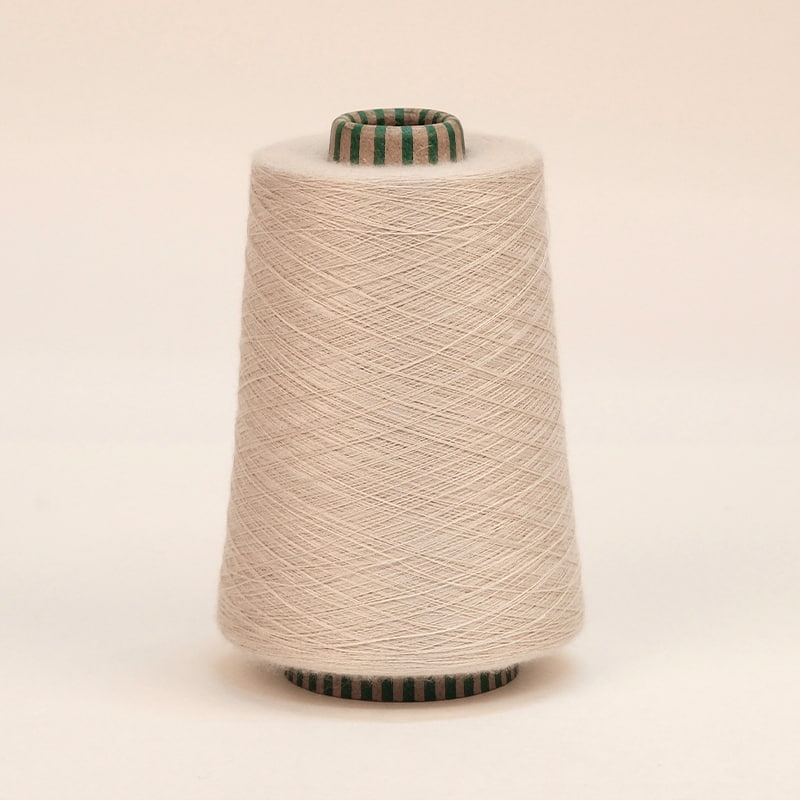 CLARA 70% Cashmere 30% Silk Scarf YarnA Nm2/120 cashmere-silk blend for ultralight scarves with large-scale printing, combining fine cashmere touch with silk support and vivid dye uptake.View Product →
A Practical Starting Point
The most useful approach is to stop treating 14.5, 15.5 and 16.5 microns as a ranking and start treating them as a working range. Pair the diameter with a staple length that can support the yarn count, check the variation behind the average, and choose the combination that matches the garment’s job. When those pieces line up, cashmere feels soft without becoming fragile, and the yarn has enough strength to survive real wear.
If you are developing a cashmere or cashmere-blend yarn and want to compare specifications for softness, strength and production behavior, our team is glad to talk through the options. You can contact us with your target count, end use and hand-feel direction, and we will help you narrow the range.